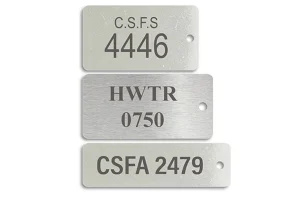
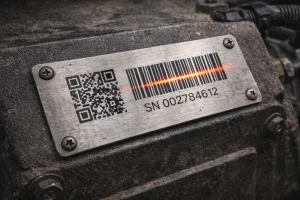
Metal nameplates can adhere reliably to powder-coated metal and injection-molded plastics, but success depends on the physical surface state rather than the adhesive brand alone. Metal-to-surface bonding is an engineering interface that requires alignment between surface energy, adhesive wetting, and the mechanical properties of the nameplate.
As a baseline: flat, clean surfaces with high surface energy typically allow for straightforward adhesive bonding. Textured powder coats, low-energy plastics, or continuous thermal cycling require careful validation of surface preparation, Logo weight, and curing dwell time. If your housing has heavy orange-peel texture, extreme curvature, or is exposed to chemical washdowns, evaluate mounting samples against your specific chassis before committing to mass production.
- 1. Start with the Surface: Powder Coats vs. Plastic Resins
- 2. Logo Design and Structural Constraints
- 3. Environmental and Operating Stress Factors
- 4. Sample Application and Bond Validation
- 5. Preparing Your Specifications for Engineering Evaluation
- 6. Review Your Logo Mounting Options Before Production
1. Start with the Surface: Powder Coats vs. Plastic Resins
The base material of your equipment housing determines the initial surface energy and chemical affinity for the adhesive.
- Powder-Coated Surfaces: The smoothness and consistency of the powder layer are critical. Fine-texture or smooth powder coats provide a higher contact surface area for the adhesive. Conversely, heavy “orange-peel” textures limit actual contact points, which can leave gaps for air, moisture, or cleaning fluids to migrate under the nameplate edge.
- Injection-Molded Plastics: The primary variable here is the plastic resin type (e.g., ABS, Polycarbonate, or low-energy polymers like Polypropylene) and residual mold release agents. Mold release agents function like lubricants; if present, they will prevent the adhesive from wetting into the substrate, leading to premature delamination.

2. Logo Design and Structural Constraints
Your nameplate’s physical structure imposes internal stresses on the bond. Before choosing an adhesive, evaluate these structural factors:
- Thickness and Mass: Part mass, mounting direction and contact area affect shear and peeling loads. For heavier plates, evaluate the selected adhesive on the actual housing surface under the expected sustained load, impact and use conditions. Higher initial tack alone does not establish long-term load capacity.
- Backside Flatness: A flat, smooth backside promotes maximum continuous adhesive contact. If the nameplate backside is textured or has high-relief geometry, the adhesive must be thick enough to bridge those gaps and achieve full surface wetting.
- Curvature: A rigid, flat metal plate applied to a curved surface acts like a spring—it will constantly attempt to peel back to its flat state. For curved housing radii, evaluate flexible foil labels or mechanical fasteners instead.
3. Environmental and Operating Stress Factors
Once mounted, the bond lives through the equipment’s operating life cycle. We evaluate adhesive performance against three real-world stressors:
- Thermal Expansion Cycles: Metal nameplates and plastic housings expand at different rates under heat. Over repeated thermal cycles, this mismatch creates shear stress at the bond line.
- Cleaning and Chemical Contact: If your equipment undergoes daily chemical washdowns or solvent cleaning, the plate edges act as a potential entry point. The adhesive must be specified to resist common industrial cleaners, and plate edges should be flush to prevent fluid wicking.
- Vibration: Sustained mechanical vibration requires an adhesive with internal damping characteristics to prevent fatigue-related delamination.
4. Sample Application and Bond Validation
Dry fitting checks geometry, not adhesive performance. During sampling, apply the selected adhesive construction to the intended housing surface and evaluate it against the agreed loads and use conditions using the steps below.
- Surface Inspection: Ensure the housing is free of dust, oil, and silicone residues. Verify the coating or plastic is fully cured and stable.
- Proper Application: Apply the sample with firm, uniform pressure to ensure the adhesive “wets out” into the surface microscopic irregularities.
- Application and Dwell: Follow the selected adhesive supplier’s guidance for surface preparation, application pressure, temperature and dwell time before testing or loading. Validate the actual adhesive and housing surface under the intended loads and use conditions; a fixed 24–72-hour wait does not establish full bond strength for every construction.
- Environmental Stress Testing: If your unit runs in harsh conditions, subject a sample-mounted unit to your specific temperature/vibration/cleaning cycle to confirm the bond stays sealed under operating loads.

5. Preparing Your Specifications for Engineering Evaluation
To ensure your metal Logo remains secure on your specific housing, please provide these four details when submitting your project for review:
- Housing Material/Finish: Specify the substrate (e.g., ABS, PC, or steel) and surface finish (e.g., smooth paint, heavy orange-peel powder coat).
- Logo Specifications: Provide the plate thickness, approximate weight, and indicate if the backside is flat or recessed.
- Operating Environment: Detail the temperature range, vibration conditions, and cleaning solvents used in the field.
- Mounting Position: Identify whether the plate sits on a flat panel or a curved section, and confirm the specific location on the unit.
Sharing these requirements allows our engineering team to assess the bond reliability and recommend appropriate surface preparation or adhesive specifications.
Review Your Logo Mounting Options Before Production
A secure bond requires aligning your housing surface, logo structure, and adhesive technology. Explore custom equipment nameplates to view metal alloy and structure options, check our custom metal logo solutions for bonding technical specifications, or review our full manufacturing capabilities.
Ready to confirm material suitability or request pre-production samples for your equipment? Request a project review and quote by sending your surface material specs, Logo design files, and operating conditions to our engineering team.
Request Material Samples Request a Project Review