Where Visual Precision, Environmental Resistance, and Durability Are Engineered
For custom metal identification and branding components, the surface finish directly determines wear resistance, tactile feel, corrosion protection, and long-term color stability. Two parts stamped from the identical alloy can perform completely differently based on their surface treatment.
Core Surface Treatment Specifications:
- Directional Brushed Texture: Mechanical linear graining achieving typical surface roughness of Ra 0.4–1.2 µm, delivering a modern technical aesthetic that conceals handling marks.
- Optical Mirror Polishing: Multi-stage mechanical buffing achieving optical reflectivity with surface roughness Ra < 0.1 µm.
- Type II Anodizing (Aluminum): Electrochemical sulfuric anodizing producing a hard ceramic-like oxide layer of 5–25 µm, sealed with natural clear, black, or custom dyes.
- Multi-Layer Electroplating (Zinc, Brass, Copper): A stack may include a copper base, a nickel layer and a decorative topcoat. The 5–25 µm range is for nickel plating only, not the total stack. Specify the substrate, layer sequence and required thicknesses for the project.
- PVD Hard Coatings (Physical Vapor Deposition): Thin deposited coating for compatible substrates such as stainless steel or titanium. The coating thickness range is 0.5–5 µm; confirm the target thickness, color and wear requirements for the part.
- Protective Clear Lacquer: Acrylic or polyurethane clear coats can slow atmospheric tarnishing on brass and polished copper, but do not prevent all color change.
- Chemical Etching & Color Fill: For aluminum and stainless steel, a chemical etch can create recesses for color fill (etch depth 0.02–0.15 mm). For washed parts, specify the cleaner, concentration, temperature, contact time and acceptable change in appearance or legibility.
Why Finishes Matter More Than Many Expect
Two components made from the same metal can behave very differently depending on surface treatment.
Common issues related to finish selection include:
- Appearance changes after installation
- Inconsistent color or texture across batches
- Sensitivity to cleaning, handling, or environment
- Differences between approved samples and production results
Most of these issues are not manufacturing failures, they originate from finish decisions made without full context.
Typical Finish Categories We Support
Rather than listing every technical option, we focus on finish categories that are commonly used in long-term applications.
Mechanical Finishes
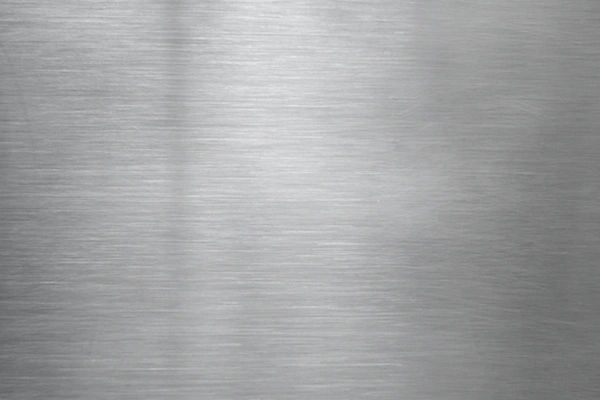

Examples include brushed, polished, or matte textures.
These finishes define surface texture and visual character, and influence how wear and handling appear over time.
Chemical & Electrochemical Treatments
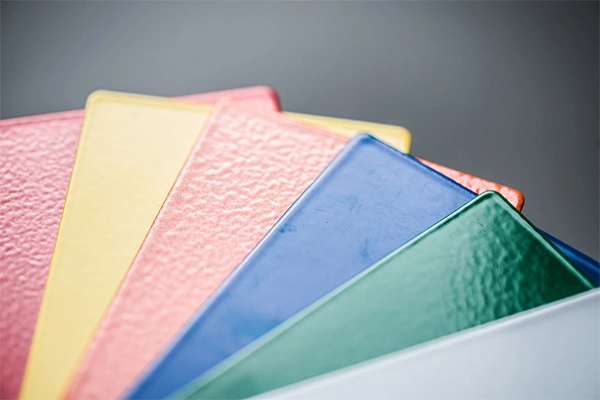
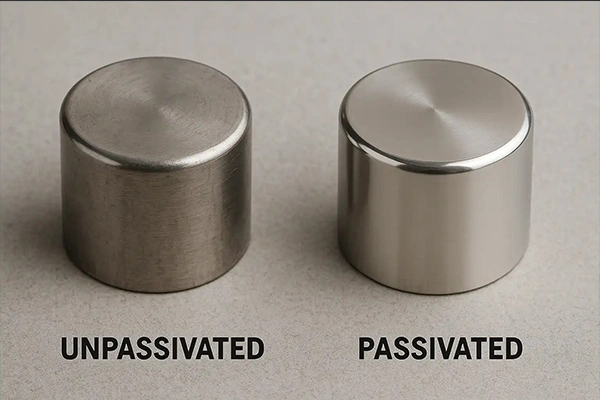
Processes such as anodizing or passivation modify surface behavior and appearance.
They can enhance durability and consistency when properly matched to the application.
Coatings & Color Finishes
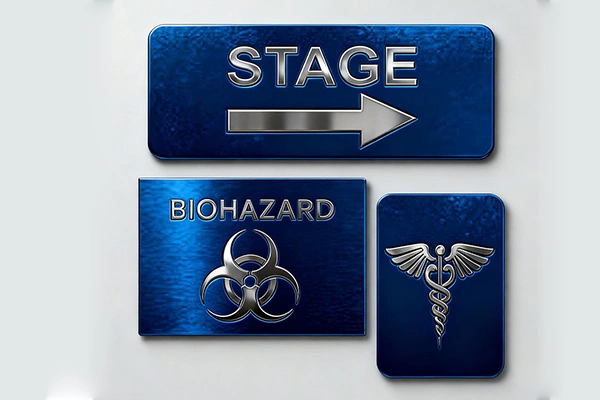
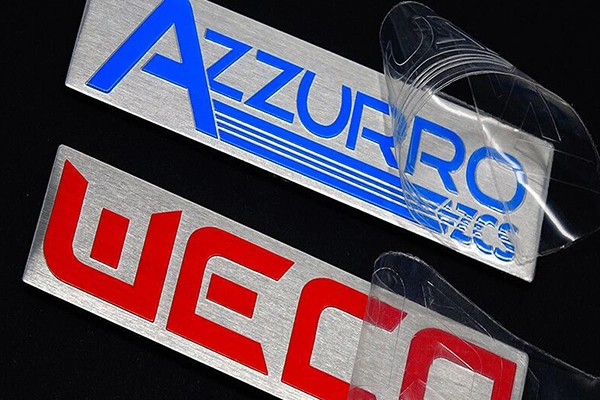
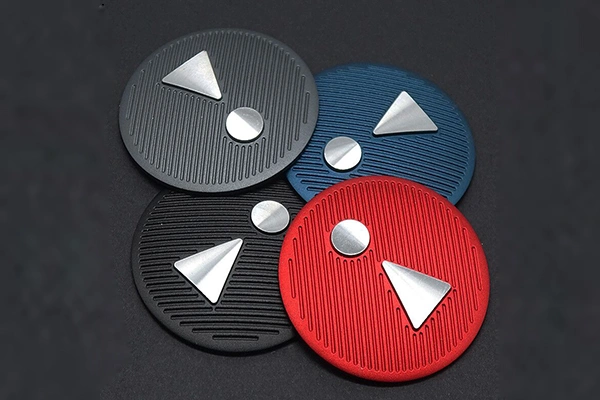
Painted or coated surfaces expand visual possibilities but introduce additional variables related to environment and long-term stability.
Each category carries different implications for appearance, durability, and repeatability.
Surface Finish Compatibility by Base Metal:
- Aluminum (5052 / 6061): Best paired with Type II anodizing (clear or dyed), mechanical brushing, laser marking, and screen printing.
- Stainless Steel (304 / 316): Best paired with directional brushing, mirror buffing, chemical passivation, chemical etching with enamel fill, and PVD hard coatings.
- Zinc Alloy: Best paired with multi-layer copper-nickel-chrome electroplating, electrophoretic black coating, and recessed enamel paint fills.
- Copper & Brass: Best paired with mirror polishing with clear protective lacquer, antique chemical patina, or selective brushing.
- Electroformed Nickel: Built with intrinsic bright chrome, electroplated gold, or black nickel mirror finishes.
When Finish Selection Requires Extra Attention
Finish selection becomes especially critical when:
- Appearance consistency is highly visible or brand-sensitive
- The component is exposed to outdoor conditions or frequent cleaning
- Multiple production batches or repeat orders are expected
- The product lifecycle spans several years
In these situations, finish decisions should be validated with the same care as material selection.
Appearance vs Long-Term Performance
A finish that looks perfect on a sample does not always perform the same way in real use.
Key trade-offs often include:
- Visual impact vs resistance to wear
- Color flexibility vs long-term stability
- Surface texture vs ease of cleaning
Understanding these trade-offs early helps align expectations and reduce risk.
Manufacturing & Consistency Considerations
From a manufacturing perspective, finishes introduce variables that must be carefully controlled.
Key considerations include:
- Alignment between sample finishes and production standards
- Clear definition of acceptable variation
- Consistent surface preparation and handling
- Repeatability across batches and time
Clear standards at the decision stage help finishes remain predictable throughout the production lifecycle.
Making the Right Finish Decision
Finishes and surface treatments define how a component looks, feels, and performs over time.
Our role is to help you confirm whether a specific finish aligns with your use environment, appearance expectations, and long-term production plans, before manufacturing begins.
Common Questions
Can surface finishes prevent atmospheric oxidation and corrosion?
Protection depends on the substrate, finish and exposure. Type II anodizing on aluminum (5–25 µm) provides decorative and light protection, but dyed finishes can fade under prolonged exposure. Clear lacquer can slow tarnishing on brass and copper. On stainless steel, passivation removes free iron, but this does not establish compatibility with a particular cleaning chemical.
How should an engineer balance aesthetic mirror shine versus mechanical durability?
Mirror-polished surfaces (Ra < 0.1 µm) deliver the highest luxury visual impact but can show hairline handling scratches and fingerprints in high-traffic applications. For industrial machinery, commercial appliances, and heavy-use interfaces, directional brushed finishes (Ra 0.4–1.2 µm) or matte bead-blasted textures provide superior scratch concealment and long-term durability.
How is color and finish consistency maintained across repeat production orders?
Metallic colors can look different as lighting and viewing angle change, so a screen color code alone is not an acceptance standard. For color-sensitive projects, specify a physical reference, viewing light and angle, acceptable variation, and whether instrumental measurement is needed.
Should finish options be decided before or after material selection?
They must be evaluated together. Surface treatment feasibility is dictated by the metallurgy of the base substrate. For instance, if multi-color dyed finishes are required, aluminum anodizing is selected; if heavy 3D electroplated chrome contours are required, die-cast zinc alloy is selected.
Explore Compatible Base Materials
Review detailed metallurgical specifications, thickness ranges, and engineering characteristics for our core metal substrates:
Related Product Categories
Explore custom metal identification and branding products commonly engineered with advanced surface finishes:
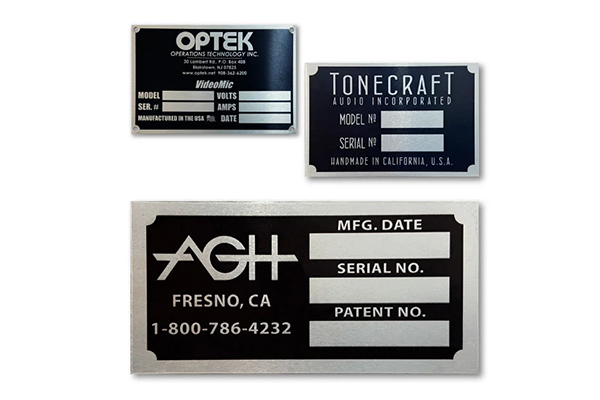
Equipment Nameplates
Brushed and chemically etched industrial machinery rating plates with recessed enamel paint fill.
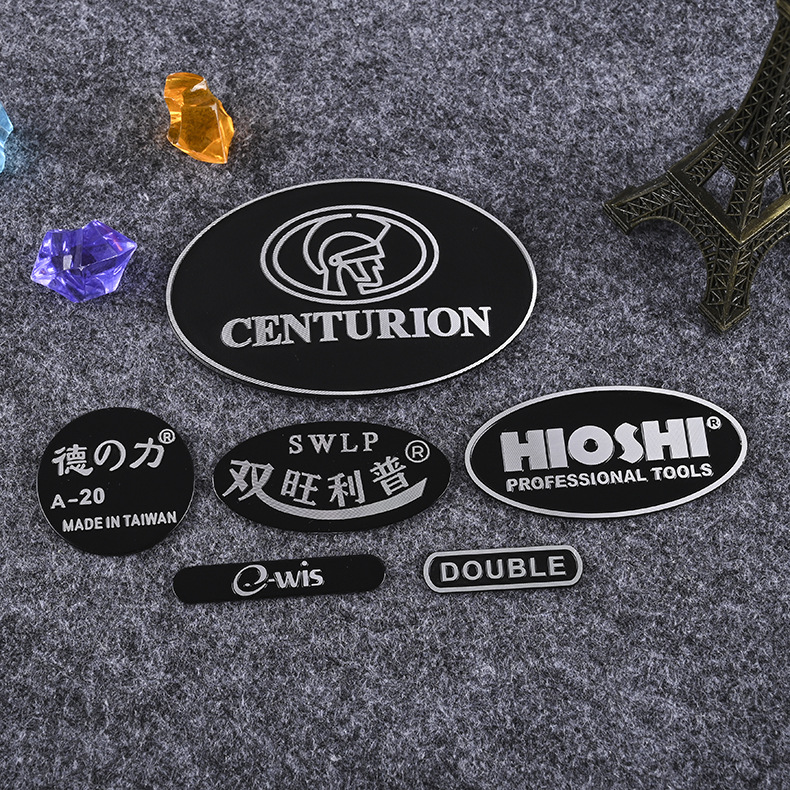
Metal Logo Plates
Anodized, brushed, and polished product brand plaques with mounting holes or high-bond adhesive.
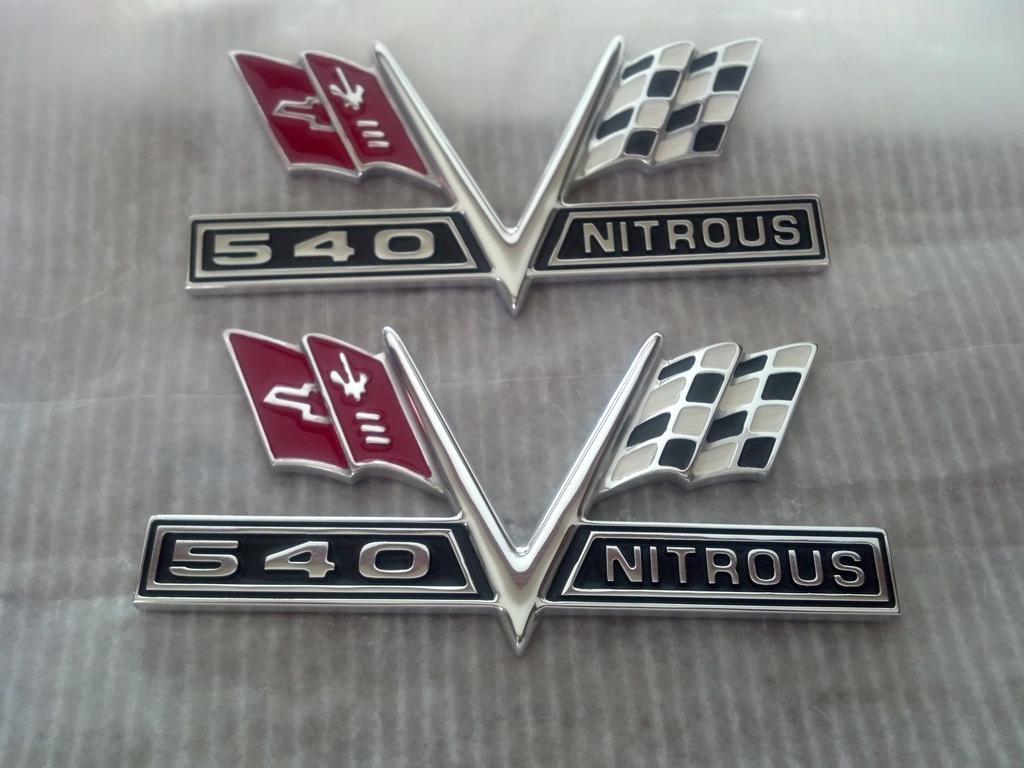
Metal Emblems & Badges
Electroplated multi-layer chrome, gold, and black nickel 3D die-cast vehicle badges and logos.
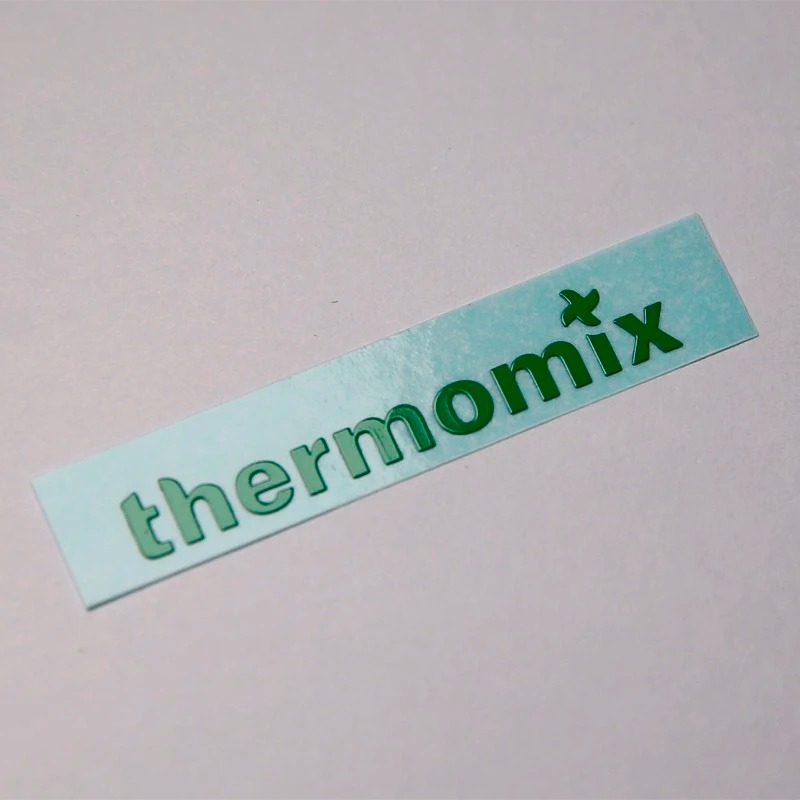
Metal Stickers & Transfer Parts
Ultra-thin electroformed nickel standalone logos without a continuous metal background plate, applied with transfer tape.
Review Surface Treatment Feasibility for Your Project
Send your engineering drawing, 2D vector artwork, or CMF specifications. Our team will review your base alloy selection, roughness requirements, anodized or electroplated finish, and mounting method before preparing a quotation.