ALCOHOL & BEVERAGE PACKAGING
Custom Metal Labels, Plates & Emblems for Bottles and Packaging
Metal logo plates, emblems and lettering made from your artwork or sample for bottles, gift boxes and outer packaging. Select the construction around the packaging surface, application method and intended use.
A label on a curved bottle and a plaque on a presentation box need different mounting and handling checks, even when they carry the same logo.
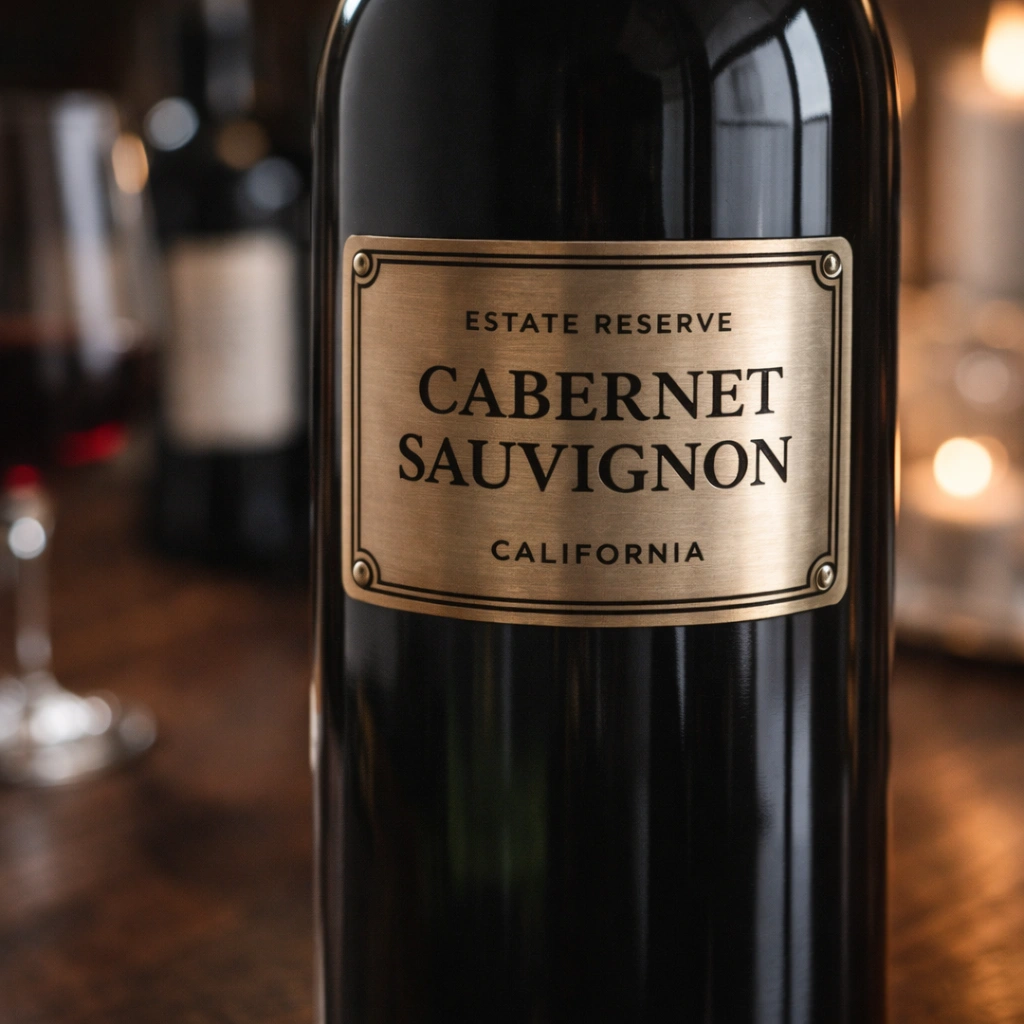
Choose the Part for the Packaging Surface
Start with the visible background, required profile and mounting area. Material and finish choices follow from the part construction and exposure.
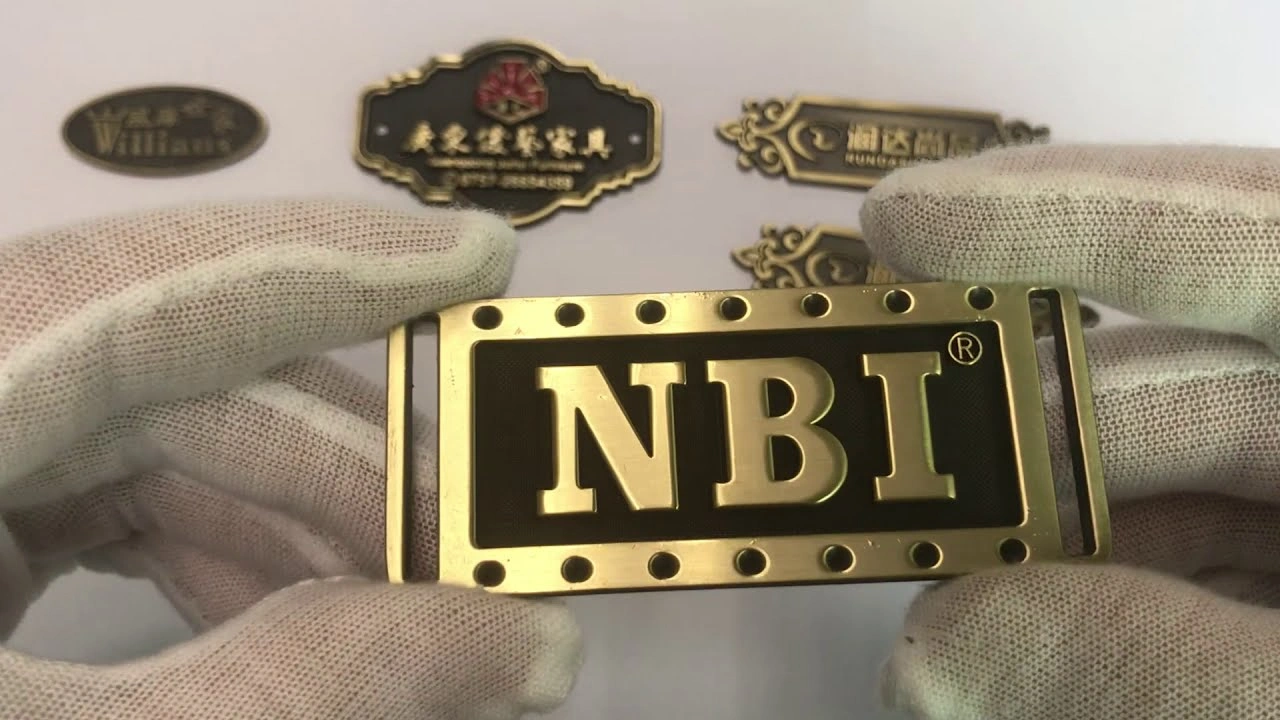
Metal Logo Plates
Consider a defined plate when you want a continuous background or one part to position during application. Check the plate shape and its contact with the bottle, box or packaging panel.

Metal Stickers & Transfer Parts
Consider a thin metal logo or separate lettering when the packaging surface should remain visible between the elements. For curved bottles, check the shape and contact area of each element as well as the placement method.

Metal Emblems & Badges
Consider an emblem when the raised form or shaped outline is part of the packaging appearance. Review weight, projection, back profile and the available mounting area before choosing the construction.
Neck trim and label placement are evaluated around the actual bottle geometry. Finished branding parts applied to bottle exteriors or packaging boxes are specified for packaging presentation rather than direct beverage contact.
Check the Bottle or Box Before Choosing the Attachment
The surface during application can differ from the conditions encountered later. A dry bottle used for sample approval does not represent every refrigerated or wet installation.
Bottle Shape & Contact Area
Provide the bottle profile, mounting dimensions and the intended label position. Check for tapers, shoulders, seams, embossing or compound curves that reduce contact. Thin metal should not be assumed to stretch around the bottle.
Surface & Application Conditions
Identify the actual glass, coating, plastic, paper wrap or box covering that the part will contact. State whether the surface is dry, chilled or wet during application, and describe any preparation before placement.
Placement & Assembly Method
Tell us whether parts will be applied by hand, with a fixture or using packaging equipment. Confirm orientation, placement tolerance, carrier removal and the supplied format required by your application method.
Box Panels & Covering Materials
For gift boxes, identify whether the part contacts coated board, paper, film, fabric or another covering. Check panel support, recesses and available fixing space rather than selecting an attachment from the box material name alone.
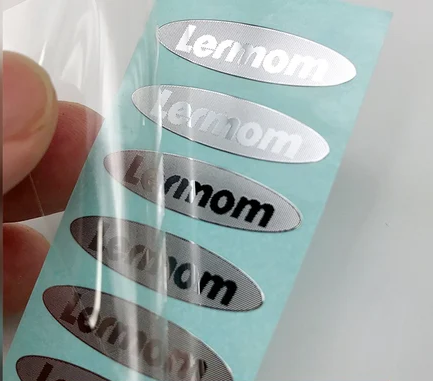
Side view of metal transfer carrier film and adhesive backing evaluated for curved surface contact.
Define the Finish and Exposure Together
Approve appearance on the intended packaging and define the contact the part will actually receive. Refrigeration, condensation and immersion are different conditions.
| Requirement | Information to Provide | What to Check |
|---|---|---|
| Refrigeration or temperature changes | Storage temperatures, duration and movement between environments | Condensation, surface contact and any agreed cycling checks |
| Ice-bucket or water exposure | Whether immersion occurs, its duration and the handling routine | Edges, coatings, adhesive and contact with the actual packaging |
| Alcohol or cleaner contact | The substance, concentration where relevant, contact time and wiping method | Surface finish, color fill, adhesive and visible appearance |
| Transport and packing | How bottles or boxes are separated, handled and packed | Rubbing, impact, exposed edges and protective packing |
| Brand appearance | Physical reference, visible faces, color, gloss and texture | The finished part alongside the bottle, cap, wrap or box material |
Aluminum, stainless steel and zinc alloy should not be assigned to dry, refrigerated or wet packaging by material name alone. Review the metal, finish, part shape and attachment as a complete construction.
A color code or screen image does not fully define a reflective metal finish. Agree the physical reference and acceptable variation before using the sample as the production basis.
Approve the Part and Its Application Separately
Check the metal part first, then confirm its application on the intended packaging. Agree any use tests before treating the sample as the production reference.
Artwork & Part Appearance
Confirm the supplied artwork revision, dimensions, wording, visible surfaces and finish reference. Required product or regulatory text is supplied and approved by your responsible team.
Fit & Application
Use the actual bottle or packaging surface, or an agreed representative sample. Check placement, curvature, edge contact and any carrier-removal or fixing step using the intended application method.
Exposure & Acceptance
Define the method, duration and acceptance criteria for any required refrigeration, condensation, immersion, alcohol-contact or handling checks. Testing, reports, charges and timing are confirmed for the project.
Supply Format & Repeat Orders
Agree the orientation, protection and packing format needed for assembly. Review changes to the bottle, coating, box covering, adhesive, artwork or application method before repeating the order.
A metal finish sample alone does not establish adhesion to the packaging or suitability for direct food or beverage contact.
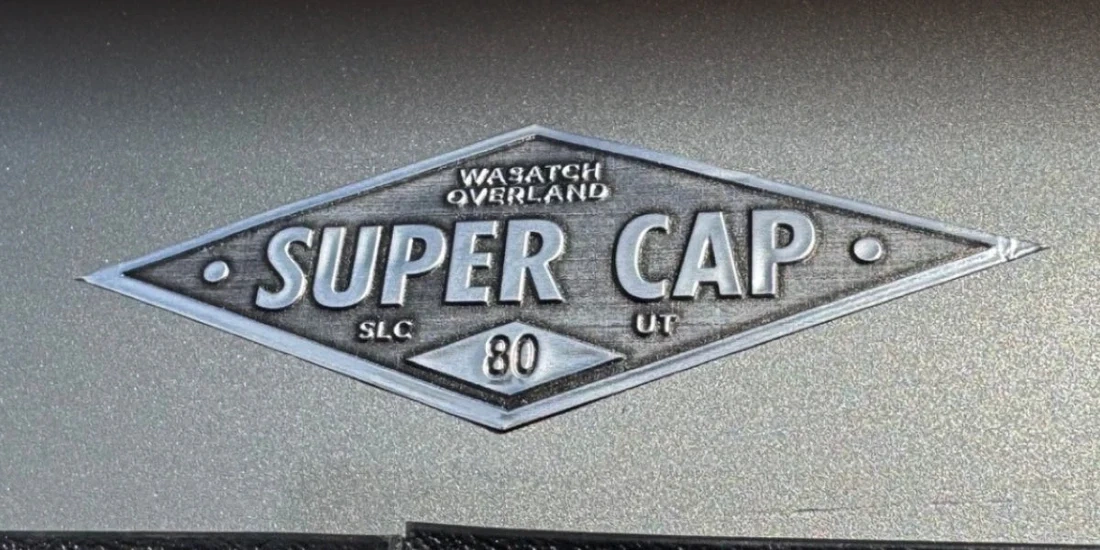
Metal branding parts separated for protection before application.
Beverage Packaging Metal Label FAQs
Can metal labels be used on refrigerated bottles?
They can be considered, but confirm the application surface and later exposure separately. Applying a part to dry glass and applying it to a cold, wet bottle are different conditions. Agree sample checks for the intended sequence.
Will a thin metal logo fit any bottle curve?
No. The bottle profile, logo shape, individual contact areas and metal construction all matter. A taper, shoulder or compound curve may prevent full contact even when the metal is thin. Check the sample at the intended position.
Can alcohol contact affect the label?
It can affect some finishes, color fills or adhesives. Identify the substance and how contact occurs, including concentration, duration and wiping. Confirm the finished construction against the required checks.
Does a metal branding part make the packaging recyclable?
Recycling depends on the complete packaging, attachment, separation method and local collection process. Do not infer recyclability from the metal part alone. Provide any separation requirements as part of the project specification.
Can these parts be used for seals or direct beverage contact?
An exterior branding part is not automatically a tamper-evident seal or a food-contact component. Identify those requirements before quotation so the scope and required evidence can be assessed; do not treat them as included by default.
Review Your Bottle or Packaging Branding Part
Send the existing artwork or sample photos, intended size and quantity. Include the bottle profile or packaging surface, application method and any refrigeration, water or alcohol-contact requirements. Send the available information first if some details are still open.
You can also request a sample to check appearance, fit and application on your packaging.
