Natural Warmth, Heritage Character, and Controlled Surface Finishes
At Himgo, brass and copper are selected for projects requiring visual warmth, classic metallic weight, and genuine material authenticity. While often grouped together, brass and copper serve distinct aesthetic and engineering purposes:
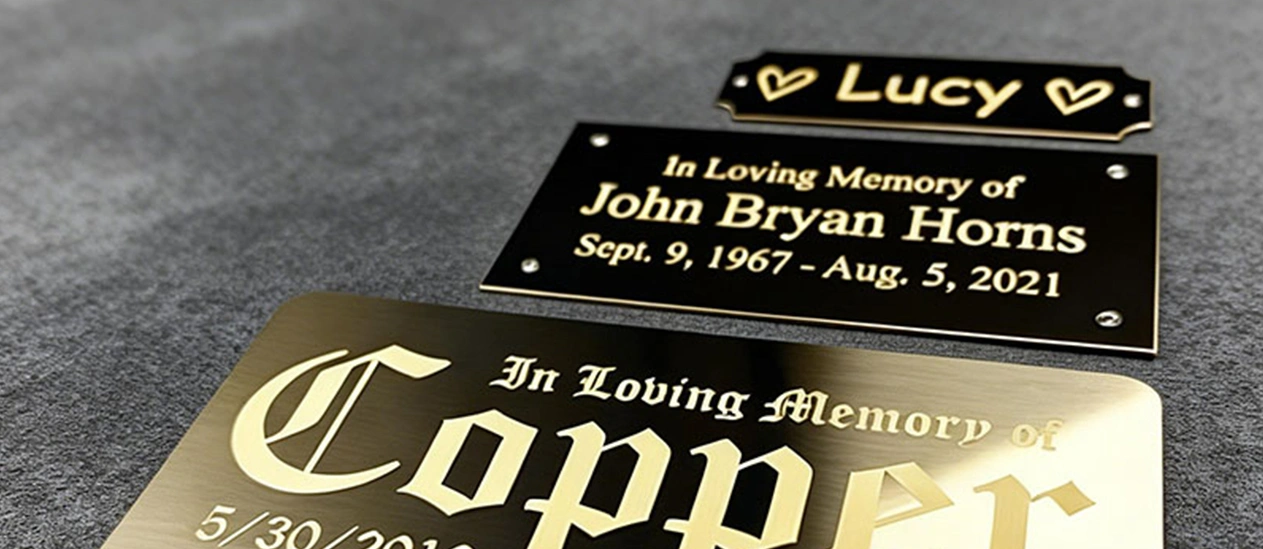
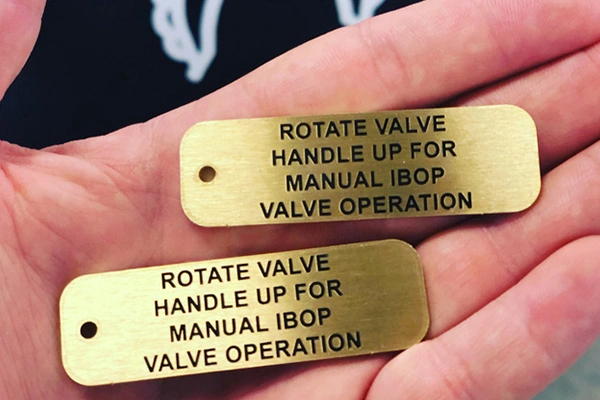
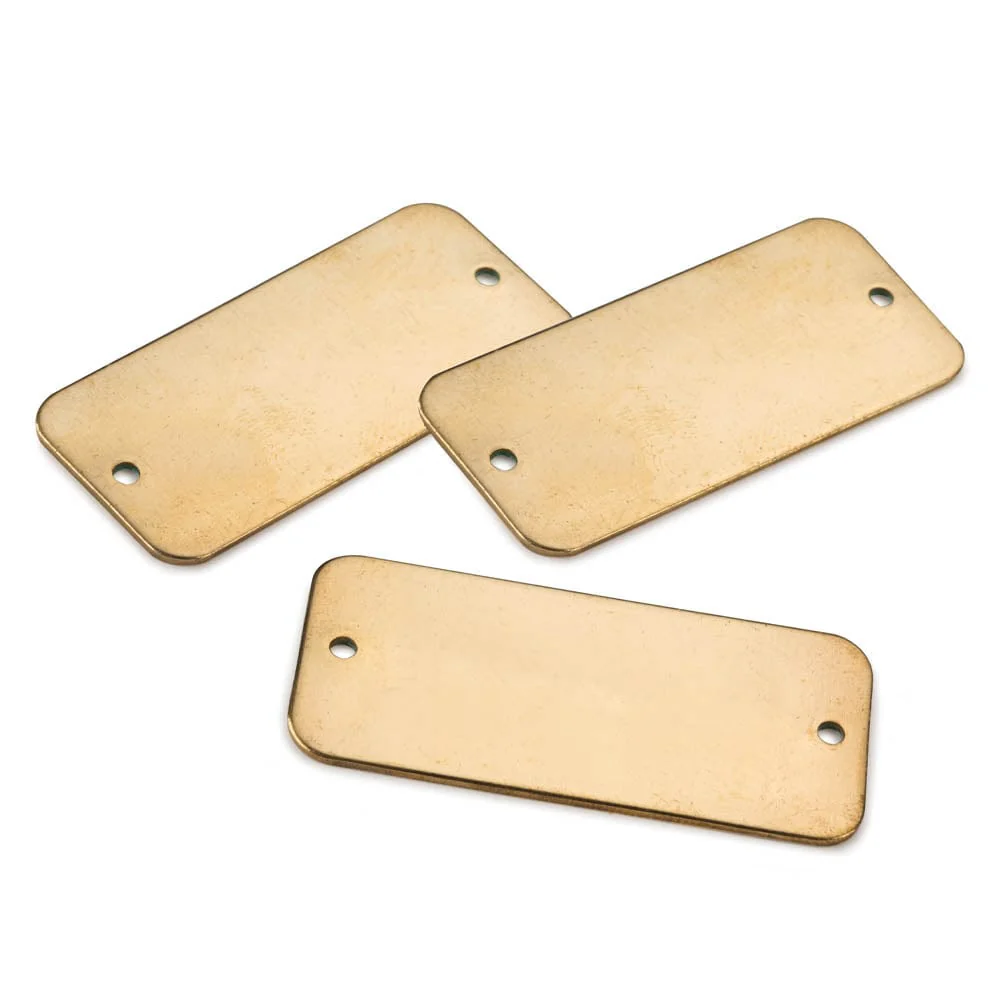
- Brass (Copper-Zinc Alloy): Classic golden-yellow appearance. Higher mechanical rigidity and excellent machinability. The premier choice for architectural plaques, luxury furniture emblems, high-end packaging, and vintage machinery nameplates. Material density: ~8.4–8.5 g/cm³.
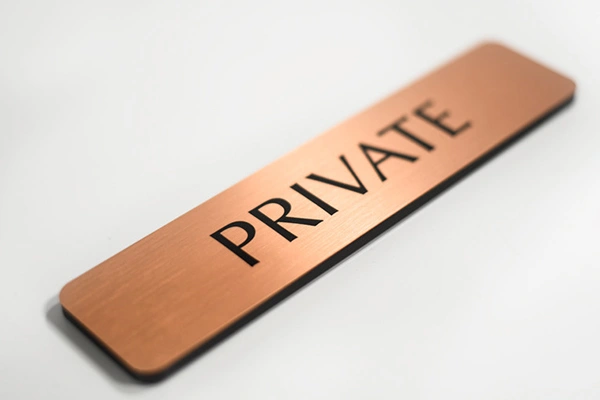
- Copper (Pure Red/Salmon Copper): Distinctive reddish metallic warmth. Highly ductile and naturally reactive. Often selected for artisanal distillery packaging, high-fidelity audio equipment plaques, and decorative parts where a living patina is desired. Material density: ~8.9 g/cm³.
Key Specifications:
- Sheet Thickness Range: 0.5 mm to 3.0 mm (common gauges: 0.8 mm, 1.0 mm, 1.5 mm, 2.0 mm, 3.0 mm).
- Compatible Processes: Chemical etching (with enamel color fill), CNC mechanical engraving, stamping, precision waterjet/laser cutting, and high-gloss polishing.
When Copper & Brass Make Sense
Copper and brass are suitable when:
- Material character and visual warmth are priorities
- Natural aging or patina is acceptable, or intentionally desired
- The application environment is controlled or predictable
- The component is decorative or brand-focused rather than purely functional
They are often selected for projects where material presence is part of the design language.
When Copper & Brass May Not Be the right choice
Copper and brass may not be ideal when:
- Long-term appearance must remain unchanged
- The environment involves moisture, chemicals, or frequent cleaning
- Strict color consistency is required across time and batches
- Ongoing maintenance or surface protection is not feasible
Without clear expectations, these materials can lead to unintended visual changes after installation.
Typical Use Conditions
Copper and brass components are commonly used in:
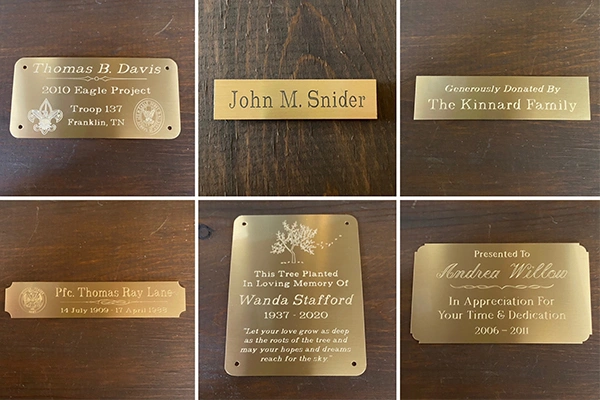
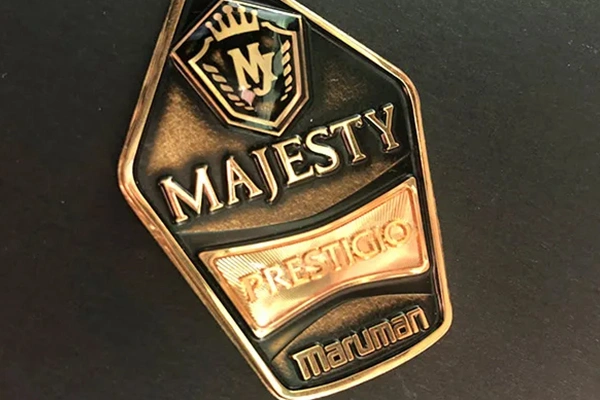
- Decorative nameplates and brand plaques
- Refined product branding elements
- Architectural or interior applications
- Controlled indoor or limited-exposure environments
Understanding exposure, handling, and cleaning conditions is essential before selecting these materials.
Appearance & Time Behavior
Unlike many metals, copper and brass are time-reactive materials.
Typical long-term behavior includes:
- Gradual darkening or oxidation
- Development of natural patina
- Subtle color variation even under similar conditions
Protective finishes can slow these changes, but they rarely eliminate them entirely.
These characteristics are not defects, but they must be anticipated and accepted at the decision stage.
Three Surface Protection Routes for Brass and Copper:
- 1. Clear Lacquered / Sealed Finish (Recommended for Maintained Luster):
Parts receive an oven-cured clear polyurethane or acrylic lacquer after polishing or brushing. This transparent barrier shields the raw metal from air, humidity, and skin oils, maintaining its bright golden or reddish luster for years in indoor applications. - 2. Pre-Aged / Antique Patina Finish:
Parts undergo chemical oxidation (such as antique bronze or blackened relief) to achieve an intentional vintage look, followed by selective edge buffing and clear-lacquer sealing to freeze the desired aesthetic. - 3. Uncoated / Living Finish:
Supplied raw without clear coat for applications where natural darkening, handling marks, and organic patina over time are an intended part of the product’ design story.
Manufacturing & Consistency Considerations
From a manufacturing perspective, copper and brass require additional attention to manage consistency.
Key considerations include:
- Surface handling and protection during production
- Alignment of finish expectations between samples and production
- Clear acceptance criteria for natural variation
When expectations are clearly defined, copper and brass can support stable and repeatable production for the right applications.
Making the Right Copper & Brass Decision
Copper and brass offer unique visual qualities, but they require informed expectations.
Our role is to help you determine whether their natural behavior aligns with your design intent, usage conditions, and long-term project goals, before manufacturing begins.
Common Questions
Can oxidation and tarnishing be prevented on brass nameplates?
Yes. By applying an industrial-grade clear protective lacquer immediately after finishing, the polished or brushed golden luster is effectively sealed against oxygen and handling oils. For indoor furniture, audio devices, and commercial equipment, clear-coated brass maintains its appearance reliably.
Are brass and copper recommended for outdoor applications?
Uncoated brass and copper exposed outdoors will naturally develop a dark brown patina and eventually a green verdigris layer. If your design embraces this architectural aging, it is an excellent choice. If you require a permanent golden appearance outdoors without maintenance, we recommend PVD-coated stainless steel or gold-anodized aluminum as a durable alternative.
How do etched letters on brass plates hold up?
Chemically etched brass plates feature graphics recessed 0.02–0.15 mm below the metal face, filled with high-durability enamel paint and topped with protective clear lacquer. The paint remains shielded within the recesses, providing excellent legibility.
What mounting methods work best for heavy brass plaques?
Due to the high density of brass and copper (~8.4–8.9 g/cm³), mechanical fastening via pre-drilled screw holes, decorative cap fasteners, or rear mounting studs is standard. For thin plates (0.5–.8 mm) on smooth surfaces, high-tack industrial adhesives (such as 3M 468MP) are also supported.
Related Product Categories
Explore custom decorative metal plaques, badges, and rating plates commonly manufactured from brass and copper:
Metal Logo Plates
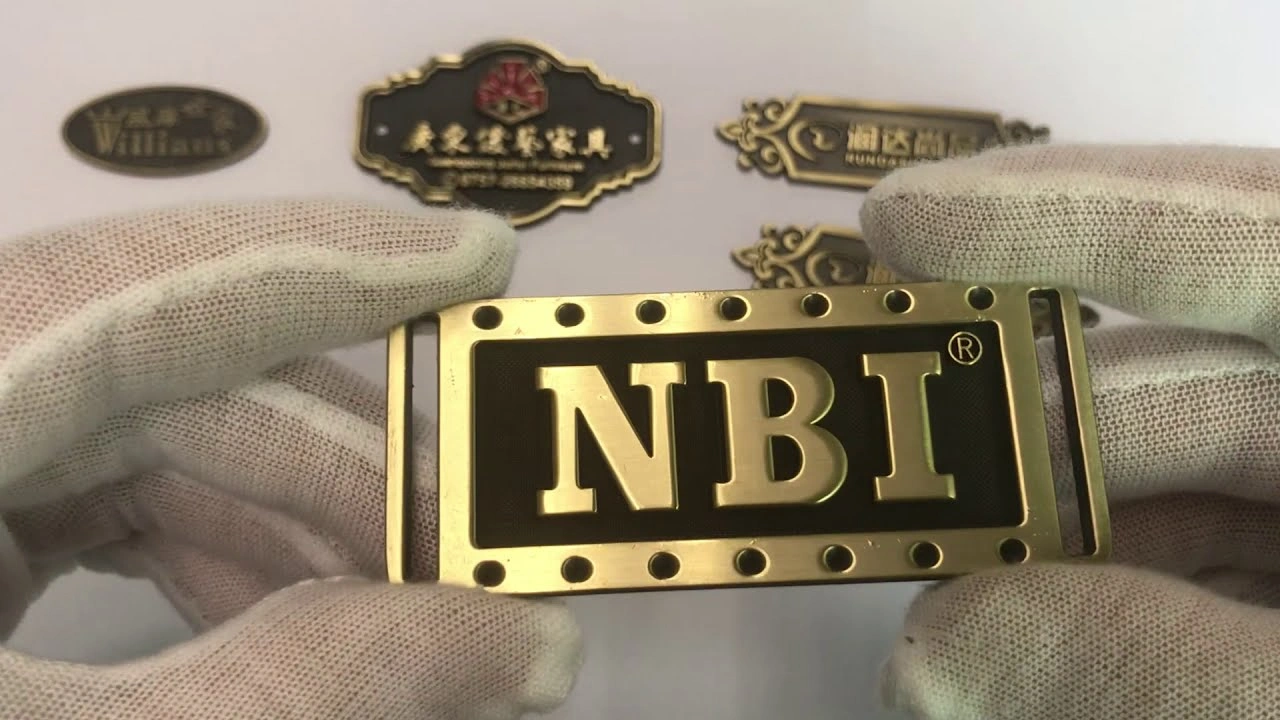
Brushed, polished, and clear-lacquered brass brand plaques and emblems for luxury furniture, audio hardware, and architectural signage.

Metal Emblems & Badges
Formed and cast decorative brass and copper badges featuring 3D relief structures, raised lettering, and protective clear sealing.
Equipment Nameplates
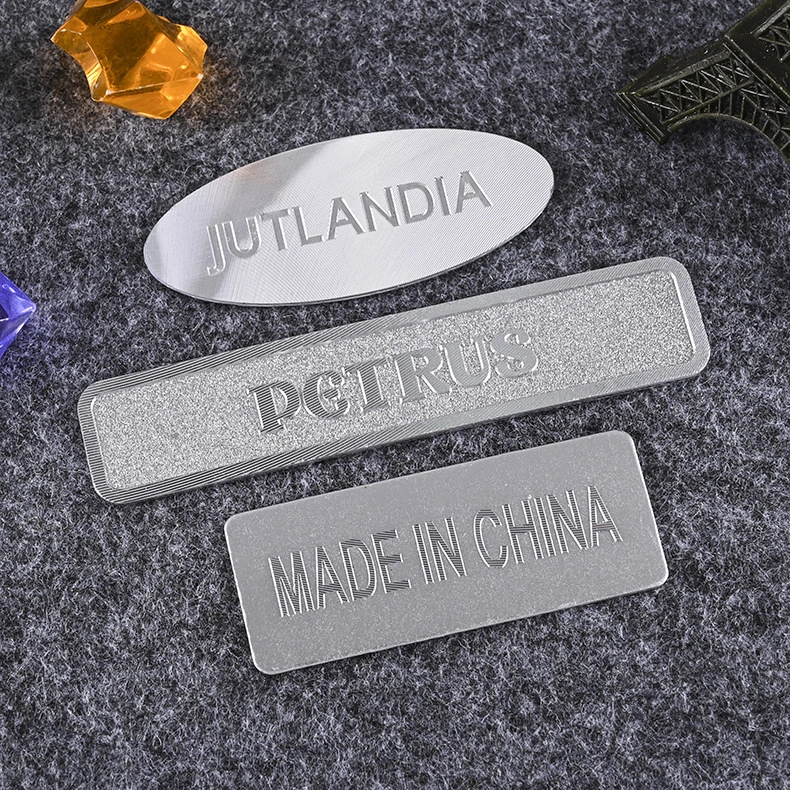
Chemically etched and mechanically engraved brass machinery nameplates, vintage equipment tags, and architectural plaques with recessed enamel paint fill.
Review Brass & Copper Feasibility for Your Project
Send your engineering drawing, 2D vector artwork, or sample specifications. Our team will review your alloy selection, clear lacquer requirements, aging expectations, and mounting method before preparing a quotation.
