FURNITURE & HOME DECOR
Custom Metal Logos, Plates & Emblems for Finished Furniture
Metal logo plates, emblems and lettering made from your artwork or sample for furniture and home products. Choose the part around the visible finish, mounting surface and assembly method.
A plate fitted to a cabinet, a raised emblem on a product face and separate lettering on a finished panel each need different appearance and installation checks.
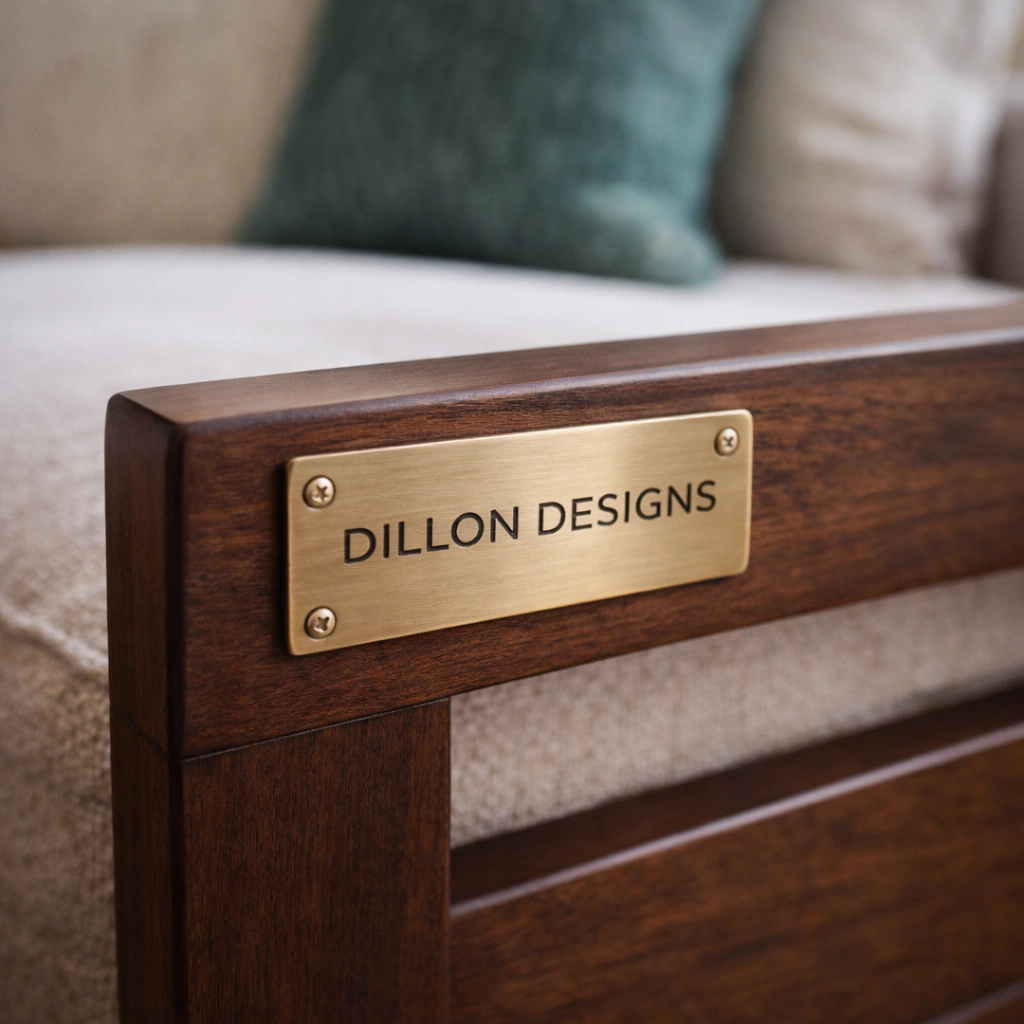
Choose How the Branding Sits on the Product
Start with the visible background, raised form and mounting arrangement. A material name alone does not define the right product.
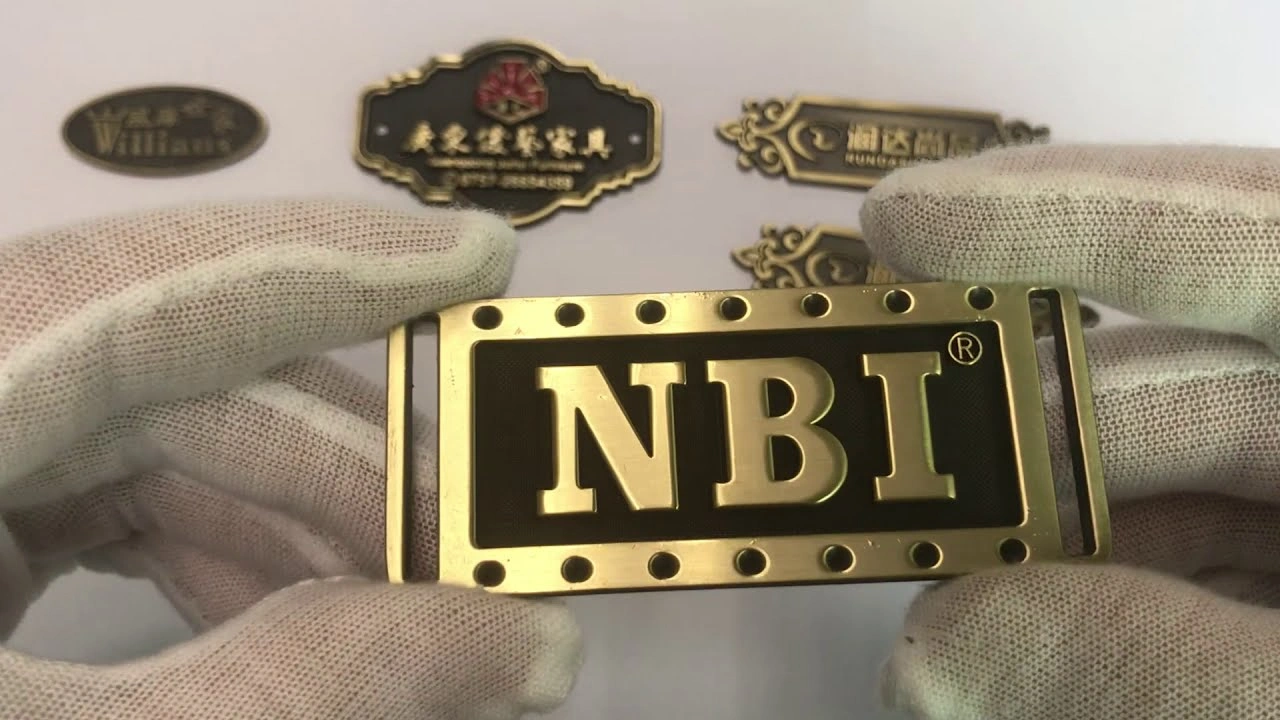
Metal Logo Plates
Choose a plate when you want a defined background or a single part to handle during assembly. Confirm the outer shape, visible edge and any recess in the furniture panel.

Metal Emblems & Badges
Consider an emblem when the shaped outline, raised face or back profile is central to the appearance. Check the overall projection and how the part meets the panel or product surface.

Metal Stickers & Transfer Parts
Consider a thin metal logo or separate letters when the furniture finish should remain visible between the elements. Confirm the contact area, surface texture and placement method for the actual finish.
Raised lettering can also be made on a plate. Choose by the complete part and mounting task, not by a single surface feature.
Identify the Surface the Part Will Actually Contact
“Wood” or “MDF” describes the panel, but not necessarily the bonding surface. Identify the coating, veneer, laminate or exposed material where the metal part will be fitted.
Finished Faces & Exposed Edges
Distinguish a sealed or coated panel face from an unfinished edge or porous surface. Provide the actual surface finish and any preparation used before assembly.
Adhesive Contact
Check the bonded area, texture, cleanliness and any surface treatment that could affect contact. Use a sample on the intended finish rather than assuming that an adhesive suitable for one panel will suit another.
Mechanical Fixing & Assembly Access
If holes or mechanical fixing are permitted, show the available panel thickness, hole positions, rear access and nearby fittings. Confirm the fixing arrangement against the furniture construction before manufacture.
Recesses & Accessible Edges
Review the metal thickness, adhesive and recess depth together. Identify edges that may be touched, caught by a cleaning cloth or contacted when doors, drawers or adjacent parts move.
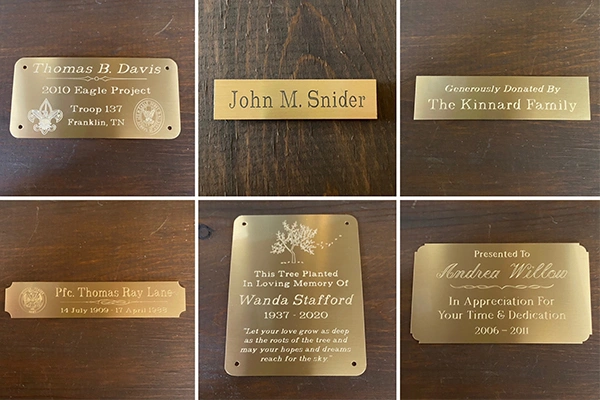
Close-up of a metal branding plate meeting a finished furniture surface.
Match the Finish in Its Product Context
Approve the metal part alongside the surrounding finish and any nearby hardware. Similar color names do not guarantee the same appearance across different materials or surface processes.
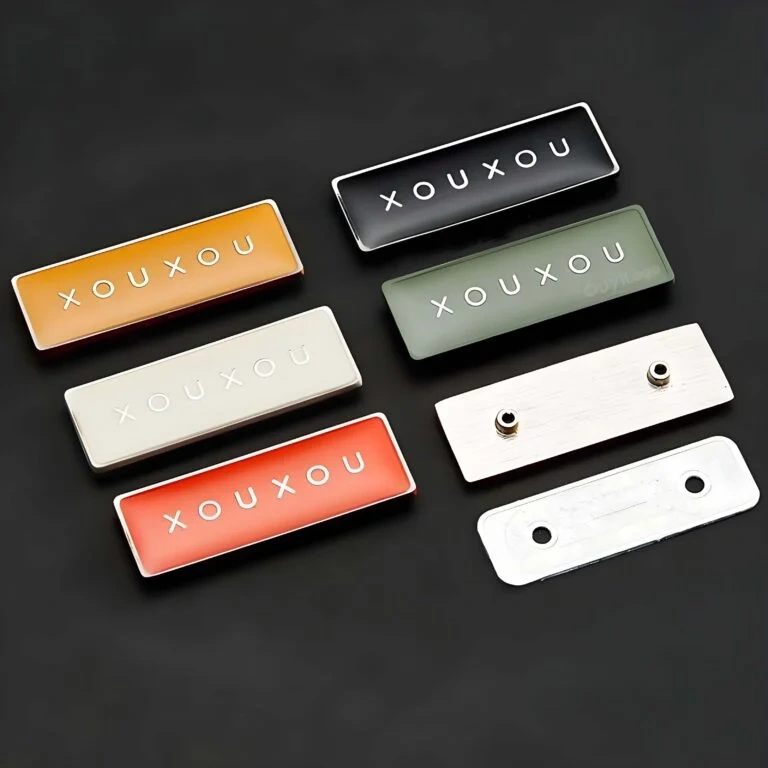
Comparing color fills, enamel coatings, and rear mounting configurations.
Appearance Approval Checklist:
- 1. Color & Reflectivity: Compare the physical sample with the intended furniture finish and adjacent metal parts. Review both color and reflected light, not just a screen image or color code.
- 2. Texture & Direction: Specify brushing direction, texture and logo orientation. Check how the part appears from the normal viewing position.
- 3. Touch & Cleaning: Identify whether the part is frequently handled, occasionally wiped or mainly viewed. Mirror, brushed and matte surfaces can show fingerprints and marks differently; none should be treated as automatically scratch-proof.
- 4. Natural Metal Appearance: If copper or brass is selected, confirm whether the required appearance is bare metal, a treated finish or a protected surface. Define the delivery appearance separately from acceptable changes during use.
- 5. Visible Faces & Acceptance: Identify visible edges and faces, the reference sample and acceptable variation. Do not use natural aging as a reason to accept scratches, stains or inconsistent finishing outside the agreed criteria.
Check the Sample on the Intended Product
A loose metal sample can confirm part appearance, but it does not establish the installed fit or attachment. Agree the checks required before using it as the production reference.
Artwork & Part Appearance
Confirm the wording, logo proportions, overall size and artwork revision. Compare the visible finish and edges against the agreed physical reference.
Placement & Attachment
Check the sample on the actual panel or an agreed representative surface. Confirm position, clearance, fixing and any carrier-removal step without damaging the surrounding finish.
Cleaning & Use Requirements
Identify the cleaning products, contact method and any humidity or handling conditions relevant to the installation. Define any required tests, acceptance criteria and reporting arrangements for the project.
Packing & Repeat Orders
Specify visible faces that need separation or protection in transit. Before repeating an order, review changes to the logo, panel finish, coating, adhesive or assembly method.
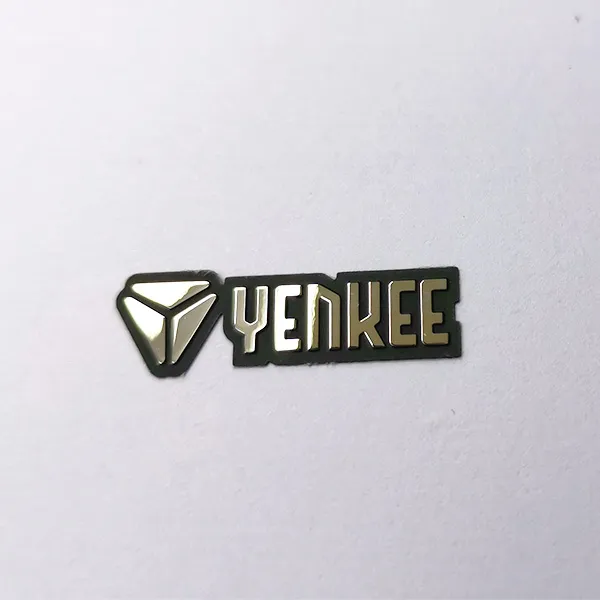
Checking a metal logo plate against its position on a furniture panel.
Furniture Branding FAQs
Can a metal logo be attached to wood or MDF with adhesive?
It may be suitable, but the actual contact surface matters. Identify whether the part bonds to a coating, laminate, veneer or unfinished material, then check the adhesive and application method on a sample of that surface.
Should mirror finishes be avoided on frequently touched furniture?
Not automatically. Mirror finishes can make fingerprints and fine marks more visible, while brushed or matte textures change how those marks appear. Compare physical samples and agree the appearance and cleaning requirements for the location.
Can you match the logo finish to our handles or other hardware?
Send a physical reference where possible. Review color, gloss, texture and viewing conditions together. Different substrates or finishing methods may not reproduce an identical appearance, so approve the proposed result before production.
Do natural copper or brass finishes remove the need for appearance standards?
No. Confirm the delivery finish, any protection and the changes intended during use. Natural variation does not replace agreed criteria for surface quality, marks or batch appearance.
What if we change the furniture coating after approving the logo?
Review the installed application again. The approved metal appearance may still be relevant, but a different coating, texture or preparation can change adhesive contact and how the combined product looks.
Review Your Furniture Logo or Nameplate
Send your existing artwork or sample photos, intended size and quantity. Include the mounting position, panel finish and any hardware or color reference that the part should coordinate with. Tell us which installation details are still open.
You can also request a sample to check the appearance and mounting on your product.
