Custom metal parts are manufactured directly to your engineering drawings or artwork. Production orders normally start at 300 pieces, which allows machine setup, material preparation, and quality calibration costs to be distributed reasonably across the batch. Below, we explain our MOQ structure, transparent tooling costs, and sample arrangements before you request a quote.
What Affects the Quote
- Material, dimensions and finish requirements
- Quantity and any repeat-order plans
- Tooling and sample requirements
- Packaging, delivery and inspection needs
What Defines Our 300-Piece MOQ
Because every part is custom-manufactured rather than picked from warehouse stock, each production run requires fixed preparatory steps:
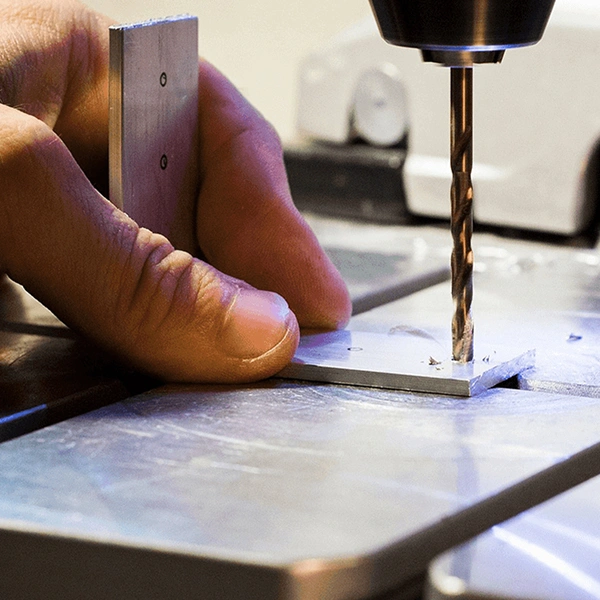
- Machine setup and clamping calibration
- Raw material cutting and sheet preparation
- Chemical bath titration, electroplating setup, or laser alignment
- First-piece quality inspection and dimensional verification
Why 300 Pieces?
At very low quantities (e.g., 10 or 50 pieces), fixed machine setup time represents the majority of the total cost, driving up the per-unit price. An entry order volume of 300 pieces establishes an economical baseline for reliable production control and stable unit pricing.
What About Lower Volumes or Prototypes?
If your project is in field-testing or engineering evaluation, we produce dedicated pre-production samples before bulk manufacturing. Sample charges cover individual setup and manual verification.
Upfront Costs: Tooling and Samples
How Tooling Charges Are Structured
Tooling is a one-time engineering investment that covers the precision tooling required to cut, stamp, or cast your custom metal part. Once validated, your tooling is maintained for repeat production runs at zero additional tooling cost.
Tooling Cost Guide by Manufacturing Process:
- Laser Marking & Engraving: No tooling charge (digitally controlled with zero die investment).
- Chemical Etching: Low setup fee (~US$50–$150 for photolithography film preparation).
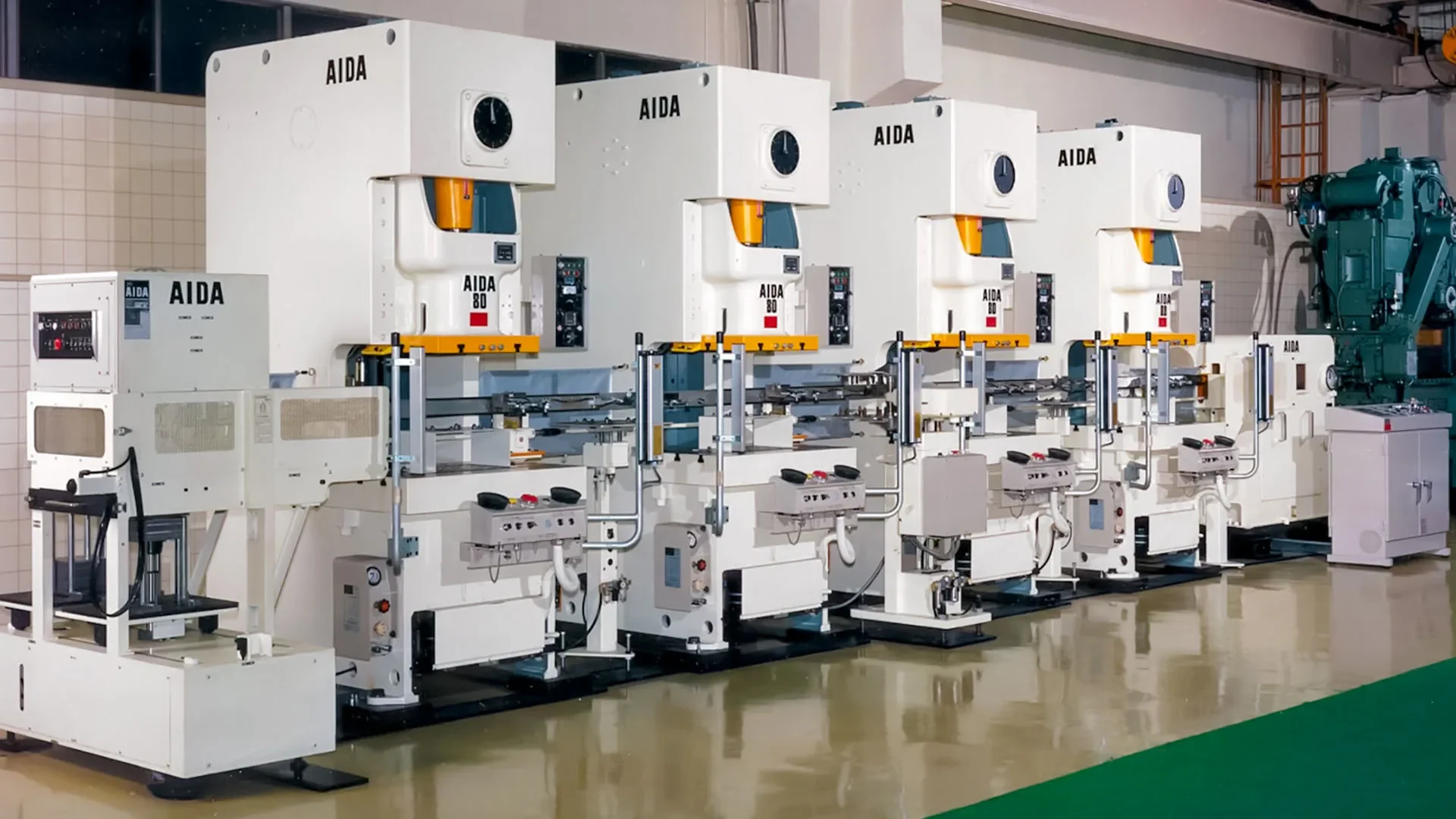
- Metal Stamping & Embossing: Stamping dies typically range from US$200 to $800 (depending on part size, outline complexity, and pierced hole patterns).
- Nickel Electroforming: Precision master mandrels typically range from US$300 to $1,200 (depending on micro-detail resolution and overall sheet layout).
- Zinc Die Casting: Precision 3D steel molds typically range from US$800 to $3,000 (depending on 3D relief depth, mold cavities, and mechanical parting lines).
Can Existing Tooling Be Used?
Yes. If your part utilizes a common rectangular, circular, or standard plate shape, we first check our extensive library of existing blanking dies. If an existing die fits your drawing dimensions, the new tooling fee is waived completely.
Tooling Ownership & Retention:
Dedicated tooling is manufactured specifically for your drawing revision, maintained for repeat production, and is not repurposed for other clients. (Note: Tooling charges reflect dedicated engineering preparation and are not refundable or credited back).
Sample Approval Before Bulk Production
- Custom Samples Are Charged: Because samples require individual machine setup, custom samples are charged and scheduled. We confirm the sample fee, scope, and timing before work begins.
- Typical Timeline: Sample manufacturing typically takes around 7 days. Batch production typically takes 12–20 days following sample or drawing approval (depending on part complexity, tooling needs, and batch size). Production lead time and shipping transit time are stated separately.
See how sampling and production fit into How We Work.
How Pricing Works In Production
Unit cost is influenced by multiple factors.
Key Cost Drivers
- Material → Aluminum vs stainless steel
- Process → Laser, etching, stamping, casting
- Size & Thickness → Material usage and machining time
- Volume → Cost distribution
Cost Behavior
For an unchanged specification and process, larger quantities can spread setup costs across more parts. The quotation confirms unit pricing for each quantity.
More complex process → higher cost
Thicker material → higher cost
What Your Quotation Itemizes
To prevent unexpected costs, every quotation from Himgo clearly itemizes:
- Part specifications (material grade, thickness, surface finish, dimensions)
- Order quantity and tiered volume unit prices
- Separate tooling or setup charges (if new dedicated dies/molds are needed)
- Sample fees and agreed validation scope (if pre-production samples are requested)
- Packaging specifications and agreed shipping terms
If drawing dimensions, tolerances, or finish requirements change during engineering review, a revised quotation is confirmed with you before manufacturing begins.
Start Your Project
Start with a sample to evaluate your design before production.
We review your specifications and provide a project-specific quotation.