Dimensional Depth, Tactile Weight, and High-Precision Die Casting
At Himgo, zinc alloy (Zamak) is selected when three-dimensional form, multi-level relief, and solid metallic weight are essential to brand perception. Through high-pressure die casting, zinc alloy achieves complex geometric contours and integrated rear mounting features that cannot be produced via flat sheet-metal stamping.
Key Material Specifications:
- Common Alloys: Zamak 3 (the industry standard for dimensional stability and electroplating quality) and Zamak 5 (offering higher tensile strength and hardness).
- Material Density: Approximately 6.6 g/cm³ for Zamak, or about 2.4 times the mass of aluminum at the same metal volume.
- 3D Relief Height: 0.5 mm to 3.0 mm (allowing dramatic bevels, domed profiles, and stepped lettering).
- Wall Thickness Limits: Typical minimum wall thickness of 0.8–1.2 mm; confirm the wall layout for the part geometry.
- Dimensional Tolerance: Typically within ±0.10–0.20 mm depending on part envelope and mold cavity layout.
- Protective Finishes: Options include multi-layer electroplating, electrophoretic coating and recessed enamel paint fills. In a plated stack, 5–25 µm refers to the nickel layer, not the total thickness.
When Zinc Alloy Makes Sense
Zinc alloy is a suitable option when:
- Three-dimensional or raised structures are required
- Visual presence and brand recognition are priorities
- The component is primarily decorative or semi-functional
- The application environment is controlled or predictable
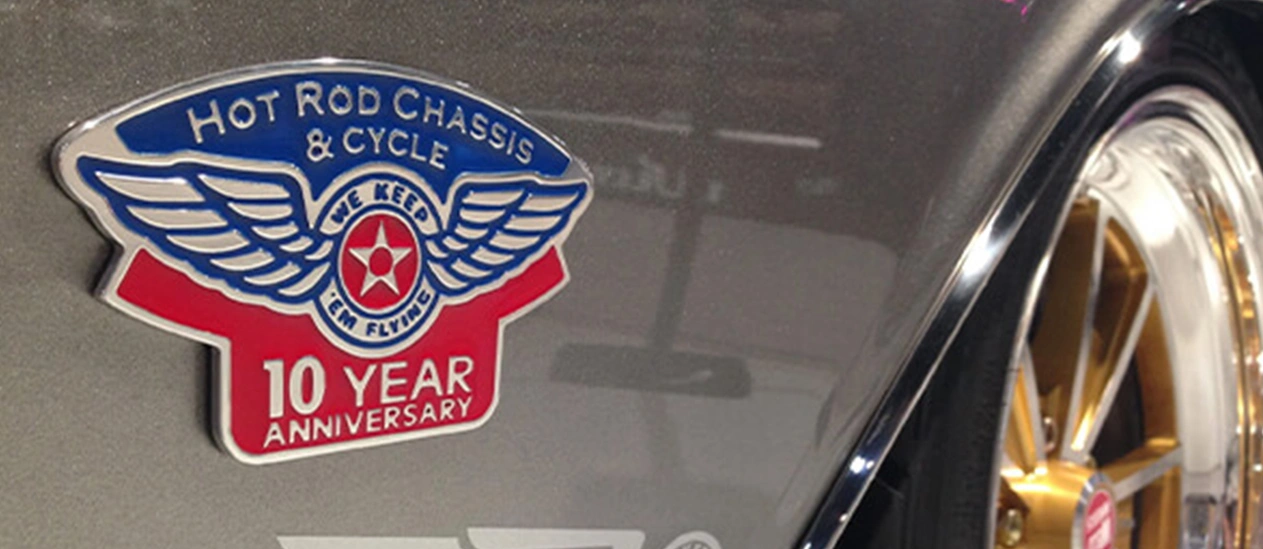
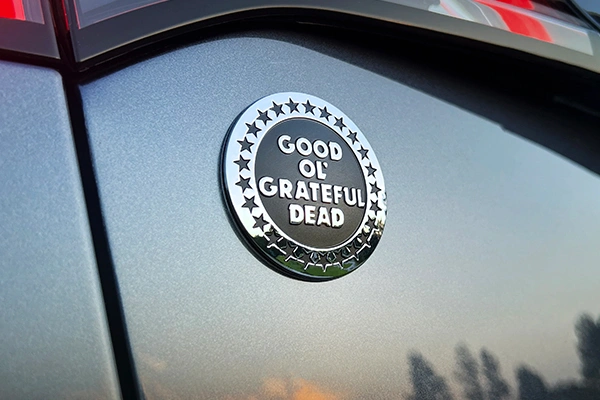
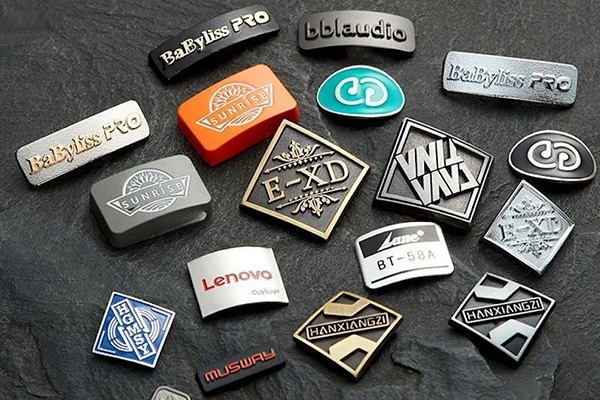
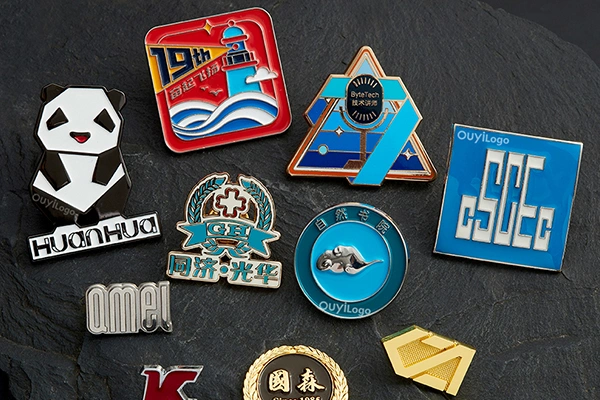
It is often used for emblems, badges, and logo components where shape and depth matter more than minimal thickness.
When Zinc Alloy May Not Be the right choice
Zinc alloy may not be the right choice when:
- Ultra-thin or flexible components are required
- Weight sensitivity is critical
- The environment involves constant outdoor exposure without protection
- Long-term appearance must remain unchanged under harsh conditions
In these situations, alternative materials may offer more predictable long-term performance.
Typical Use Conditions
Zinc alloy components are commonly used in:
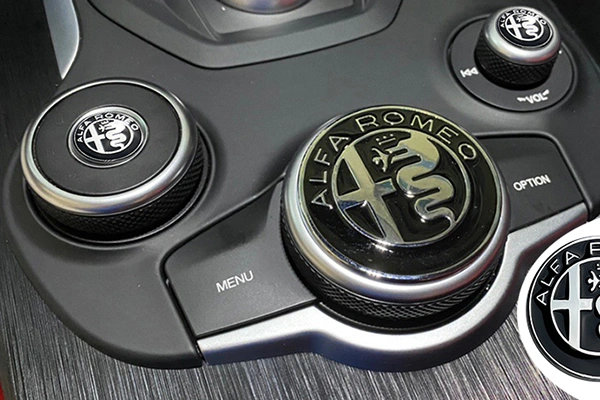
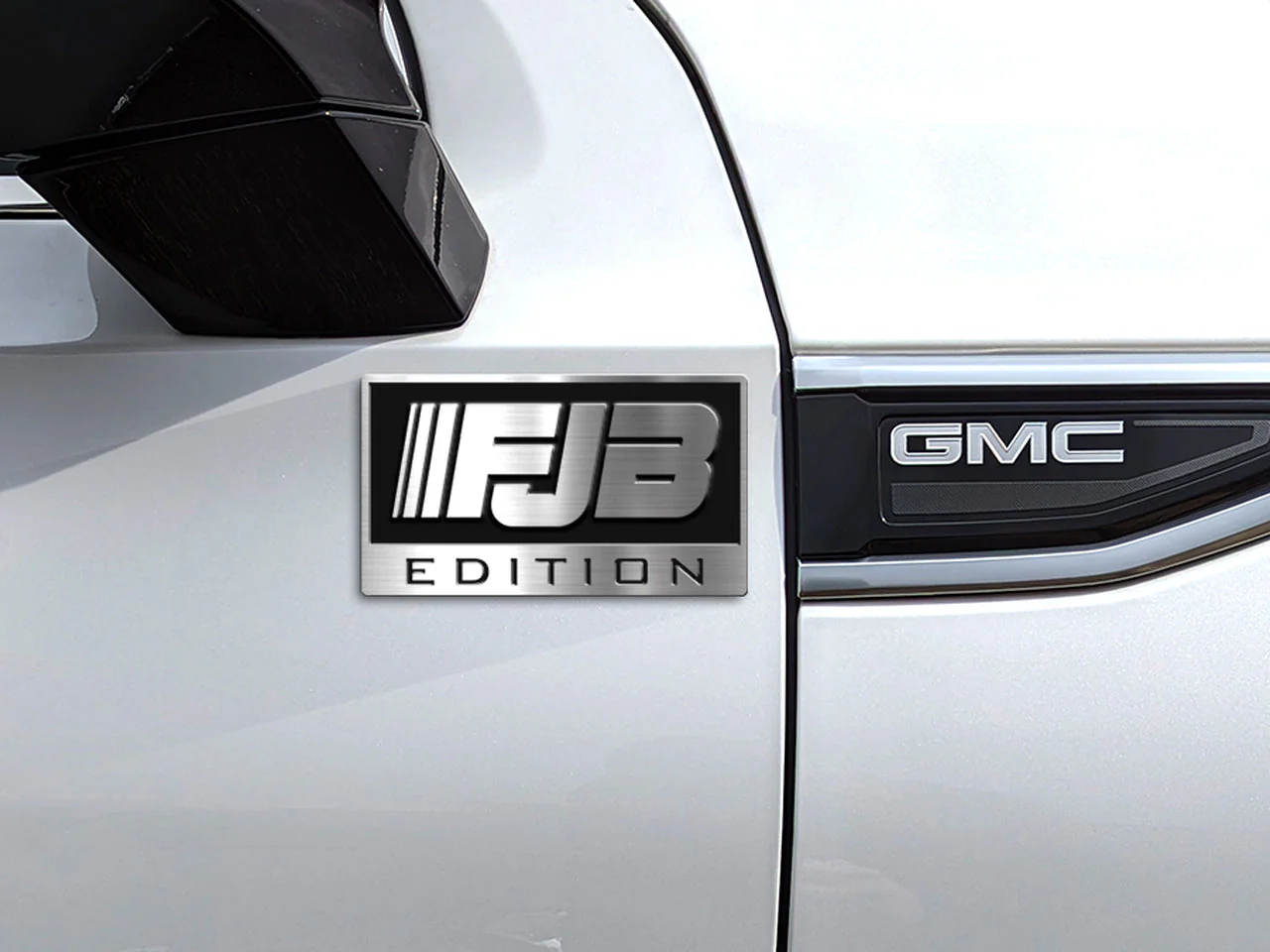
- Automotive interior and selected exterior branding elements
- Consumer products and equipment branding
- Decorative logos and badges
- Products where tactile quality supports brand perception
Understanding how the component will be handled, exposed, and maintained is essential before selecting zinc alloy.
Appearance & Structural Characteristics
One of zinc alloy’s key advantages is its ability to support complex shapes and dimensional depth.
Typical characteristics include:
- Raised logos and layered structures
- Solid, refined tactile feel
- Clearly defined edges and contours
Because zinc alloy components often involve more structure, design clarity and acceptance criteria must be confirmed early to ensure consistency across production runs. Review surface finishes against the intended appearance, handling and exposure.
Zinc Die Casting vs. Sheet Metal Stamping:
- Choose Zinc Die Casting when: Parts require contoured bevels, stepped relief or rear mounting features are important. Confirm these against the geometry and weight budget for the part.
- Choose Metal Stamping when: Parts are flat sheet-metal plates or low-relief lettering. The reference sheet thickness range for metal stamping is 0.2–2 mm; confirm the geometry, material and volume for the part.
Manufacturing & Consistency Considerations
From a manufacturing perspective, zinc alloy requires early alignment on both structure and surface expectations.
Key considerations include:
- Consistency of shape and dimensions between samples and production
- Surface finish alignment across batches
- Clear definition of acceptable variation for repeat orders
When these points are addressed early, zinc alloy supports stable and repeatable production.
Making the Right Zinc Alloy Decision
Zinc alloy delivers strong visual and tactile impact when its characteristics align with the application and environment.
Our role is to help you determine whether zinc alloy fits your branding intent, usage conditions, and long-term production requirements, before manufacturing begins.
Common Questions
When should zinc alloy components be plated or coated?
Bare zinc alloy can develop white corrosion products in damp conditions. Depending on the project, a plated finish may include a copper base, nickel and a decorative topcoat. The 5–25 µm nickel range does not specify the whole stack or its corrosion performance. Specify the substrate, layer requirements, exposure and appearance or corrosion acceptance criteria.
How does the weight of zinc alloy compare to aluminum?
At the same metal volume, Zamak (approximately 6.6 g/cm³) weighs about 2.4 times as much as aluminum (2.7 g/cm³). Estimate the finished mass from the actual geometry, including any recesses and mounting features.
What rear mounting options can be integrated into zinc emblems?
Rear mounting options depend on the casting geometry and the mating surface:
- Rear alignment pins or studs – define hole positions, available clearance and the mating hardware.
- Adhesive mounting: Specify the mating surface, selected adhesive thickness, available clearance and acceptable edge gap. Check fit and bonding on a representative assembly.
What 3D relief height can be achieved with zinc die casting?
Typical raised relief heights range from 0.5 mm to 3.0 mm. The required draft depends on feature geometry, surface texture and tooling; specify the part profile and critical appearance areas when evaluating the design.
Related Product Categories
Explore custom 3D metal emblems, product brand plaques, and manufacturing capabilities built on zinc die casting:
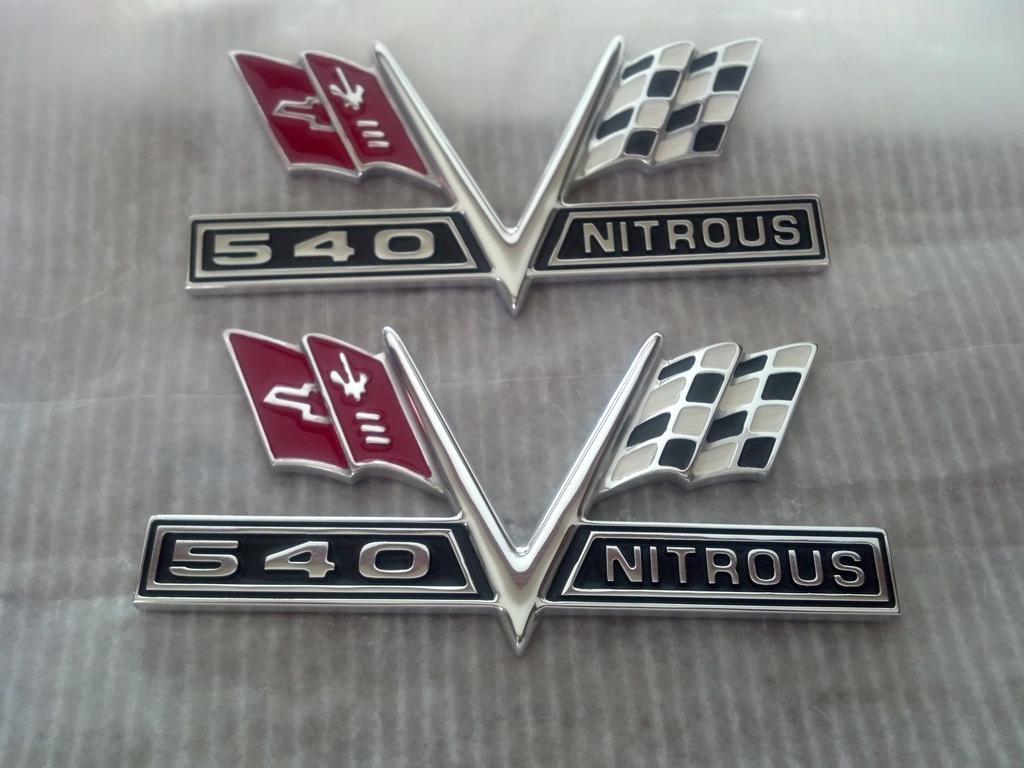
Metal Emblems & Badges
Custom 3D die-cast vehicle badges, chrome-plated exterior emblems, and multi-level dimensional brand logos with rear mounting pins.
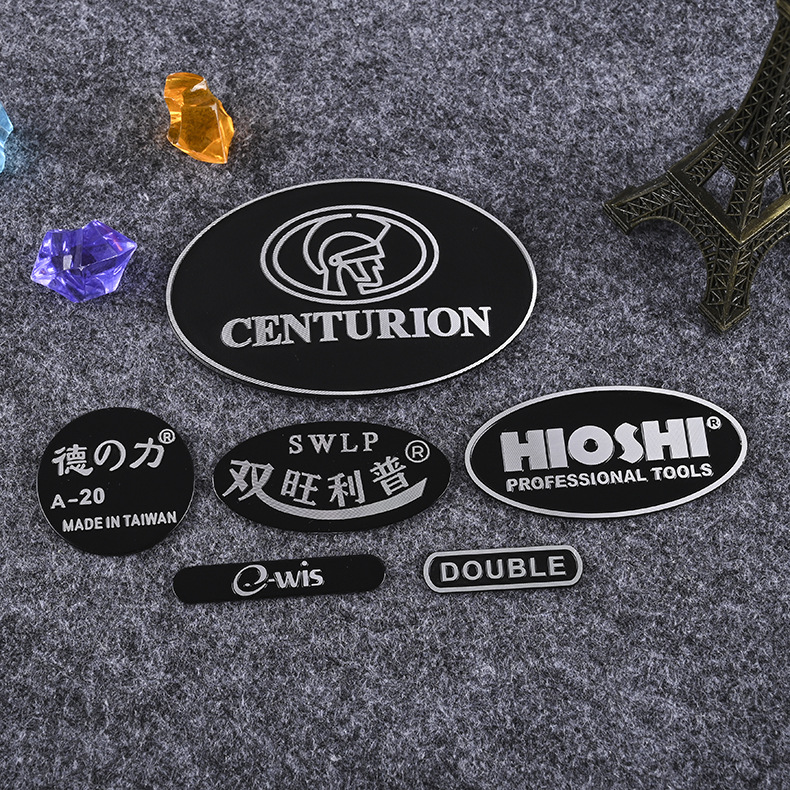
Metal Logo Plates
Solid zinc alloy and aluminum product plaques with defined bevels, recessed mounting, and durable metallic finishes.
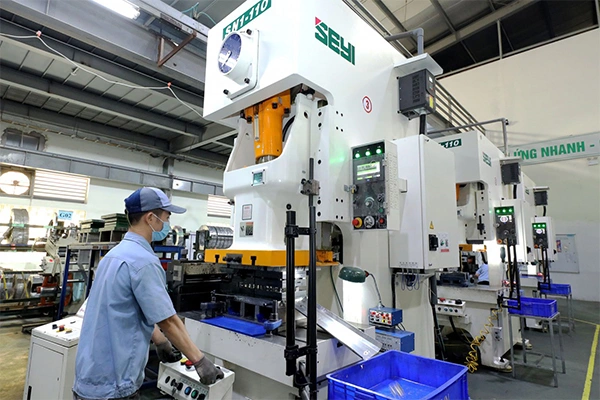
Manufacturing Processes
Explore high-pressure zinc die casting molds, dimensional tolerances, and automated multi-layer electroplating lines.
Review Zinc Alloy Feasibility for Your Project
Send your 3D CAD model, 2D vector artwork, or sample specifications. Our engineering team will review your draft angles, wall thickness, mold cavities, and electroplated finish before preparing a quotation.