Lightweight Flexibility with Controlled Material Specifications
At Himgo, aluminum and aluminum alloys are selected for their combination of lightweight structure, appearance versatility, and precision manufacturability.
Key Material Specifications:
- Common Alloys: Aluminum 5052 (superior corrosion resistance and stamping formability) and Aluminum 6061 (high mechanical rigidity for CNC-machined panels).
- Material Density: Approximately 2.7 g/cm³ (roughly one-third the weight of stainless steel).
- Sheet Thickness Range: 0.3 mm to 3.0 mm (typical gauge options: 0.5 mm, 0.8 mm, 1.0 mm, 1.5 mm, 2.0 mm, 3.0 mm).
- Compatible Processes: Metal stamping, blanking, chemical etching, CNC milling, laser marking, screen printing, and mechanical embossing.
When Aluminum May Not Be the right choice
Aluminum may not be ideal when:
- The environment involves frequent abrasion or harsh cleaning
- Long-term surface appearance must remain completely unchanged
- The application involves extreme heat or chemical exposure
- Very high structural rigidity is required
In these cases, alternative materials may offer more predictable long-term results.
Typical Applications and Industries
Aluminum and alloy branding labels are frequently reviewed for:
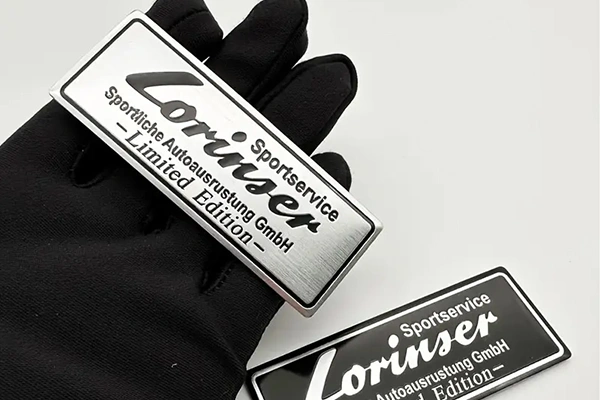
- Consumer electronics – lightweight and clean finishes
- Home appliances – consistent branding at scale
- Commercial products – balance of appearance and efficiency
- Indoor equipment branding – controlled usage conditions
These applications often prioritize visual quality and production consistency.
Surface Finish and Appearance Options
Aluminum alloys provide broad flexibility in surface presentation:
- Anodized Finishes: Type II sulfuric anodizing with typical coating thicknesses of 5–25 µm. Seals the oxide pore structure, creating a hard, non-conductive surface available in natural clear, black, red, blue, or custom dyes.
- Brushed Textures: Directional mechanical graining (typical surface roughness Ra 0.4–1.2 µm) for modern industrial and technical aesthetics.
- Laser-Marked Markings: High-contrast white/frosted or dark markings produced directly into the anodized layer without added inks.
- Color Fill & Screen Printing: Enamel paint-filled recesses or screen-printed graphics cured for indoor and light-industrial exposure.
Finish durability should be evaluated based on the intended usage environment.
Appearance & Finish Considerations
One of aluminum’s strengths is its finish versatility, but this also introduces decision complexity.
- Anodized finishes offer controlled appearance and consistency
- Painted or coated surfaces expand color options but require expectation alignment
- Surface treatments influence not only appearance, but long-term stability
The same aluminum base material can behave very differently depending on finish selection and use environment.
Manufacturing & Consistency Notes
From a manufacturing perspective, aluminum supports efficient production when key variables are confirmed early.
Important considerations include:
- Alignment between approved samples and production finishes
- Surface handling to avoid cosmetic variation
- Consistency across batches for repeat orders
Clear standards at the sample stage help aluminum components remain predictable throughout production cycles.
Cost and Lead-Time Considerations
Cost and lead time for aluminum branding labels are influenced by the following factors, listed from most to least impactful:
- Surface treatment complexity
- Production volume
- Material thickness
- Selected manufacturing process
Aluminum alloys can be cost-effective at scale, particularly when standardized finishes are used across production runs.
How We Support Aluminum Branding Label Projects
Our responsibility is to provide material insight and risk awareness, not to dictate material choices.
For aluminum-based projects, we assist by:
- Reviewing application and environmental conditions
- Explaining material strengths and limitations
- Advising on compatible processes and finishes
- Highlighting durability and consistency considerations
This ensures customers can make decisions based on clear technical understanding.
Common Questions
Is aluminum durable enough for long-term equipment nameplates?
Yes, in controlled industrial, commercial, and electronic environments. When anodized (5–25 µm), aluminum forms a protective ceramic-like oxide layer resistant to light abrasion, oils, and moisture. However, for continuous immersion, heavy chemical washdowns, or marine salt-spray exposure, 316 stainless steel is typically recommended instead.
Will aluminum finishes change or fade over time?
Properly sealed Type II anodized coatings and laser-engraved markings provide excellent long-term color and legibility under indoor and managed outdoor conditions. Unsealed or non-anodized bare aluminum may develop a natural gray oxide film when exposed to continuous moisture.
Can aluminum nameplates be mounted with adhesive backing?
Yes. Aluminum’s light weight makes it ideal for industrial high-bond acrylic adhesives (such as 3M 467MP, 468MP, or 300LSE). For high-vibration equipment or textured casting surfaces, mechanical fasteners (pre-punched screw or rivet holes) are recommended.
How do I choose between Aluminum 5052 and 6061?
Aluminum 5052 is the preferred standard for stamped, embossed, or bent sheet-metal plates due to its excellent ductility and salt-air resistance. Aluminum 6061 is chosen when parts require CNC machining, structural flatness, or higher mechanical yield strength.
Related Product Categories
Explore custom metal identification and branding products commonly manufactured from aluminum alloys:

Equipment Nameplates
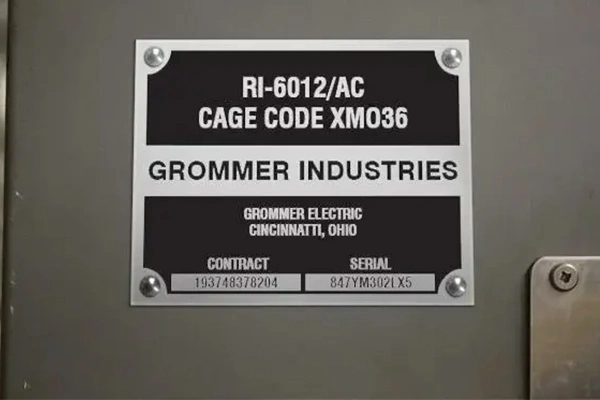
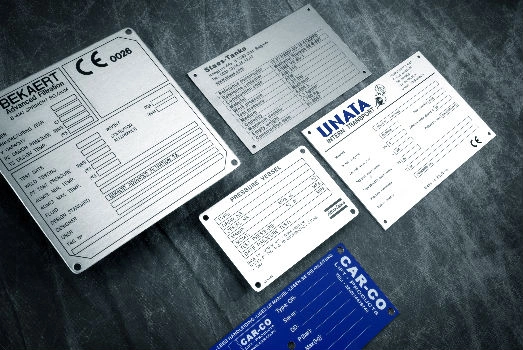
Custom aluminum rating plates, serial data plates, and machine tags manufactured with mounting holes and anodized protection.

Metal Asset Tags
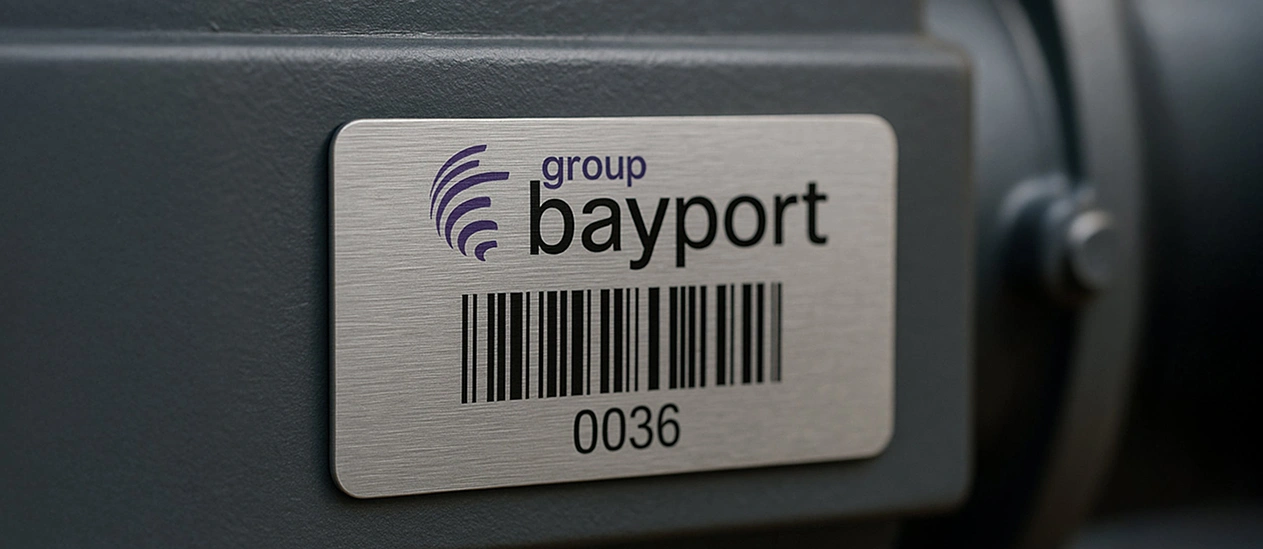
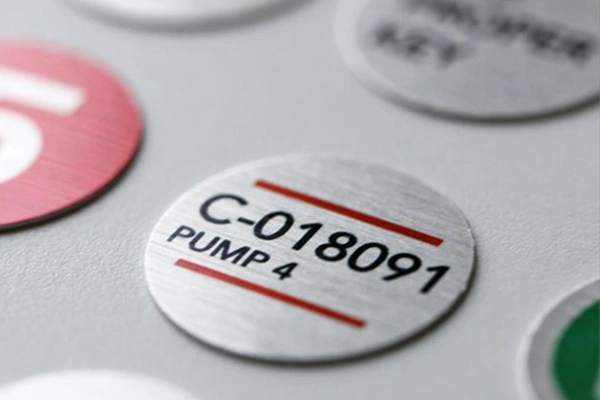
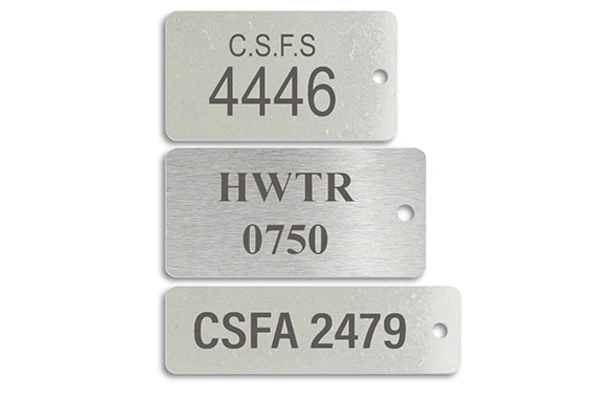
Anodized aluminum barcode, Data Matrix, and serialized tracking labels designed for durable indoor and warehouse asset inventory.
Metal Logo Plates
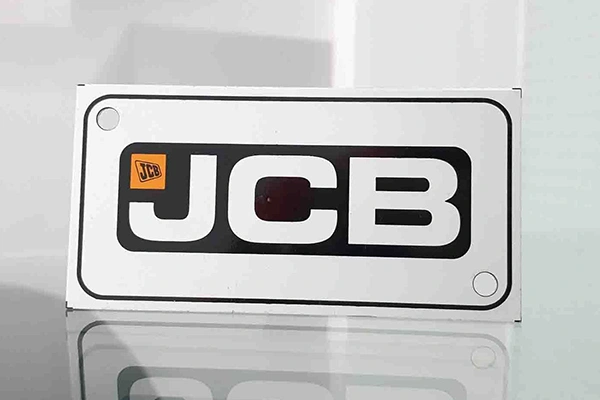
Brushed, polished, and color-anodized aluminum brand emblems and plaques for consumer electronics, appliances, and industrial hardware.
Review Aluminum Feasibility for Your Project
Send your engineering drawing, 2D vector artwork, or sample specifications. Our team will review your alloy selection, thickness requirements, anodized finish, and mounting method before preparing a quotation.
