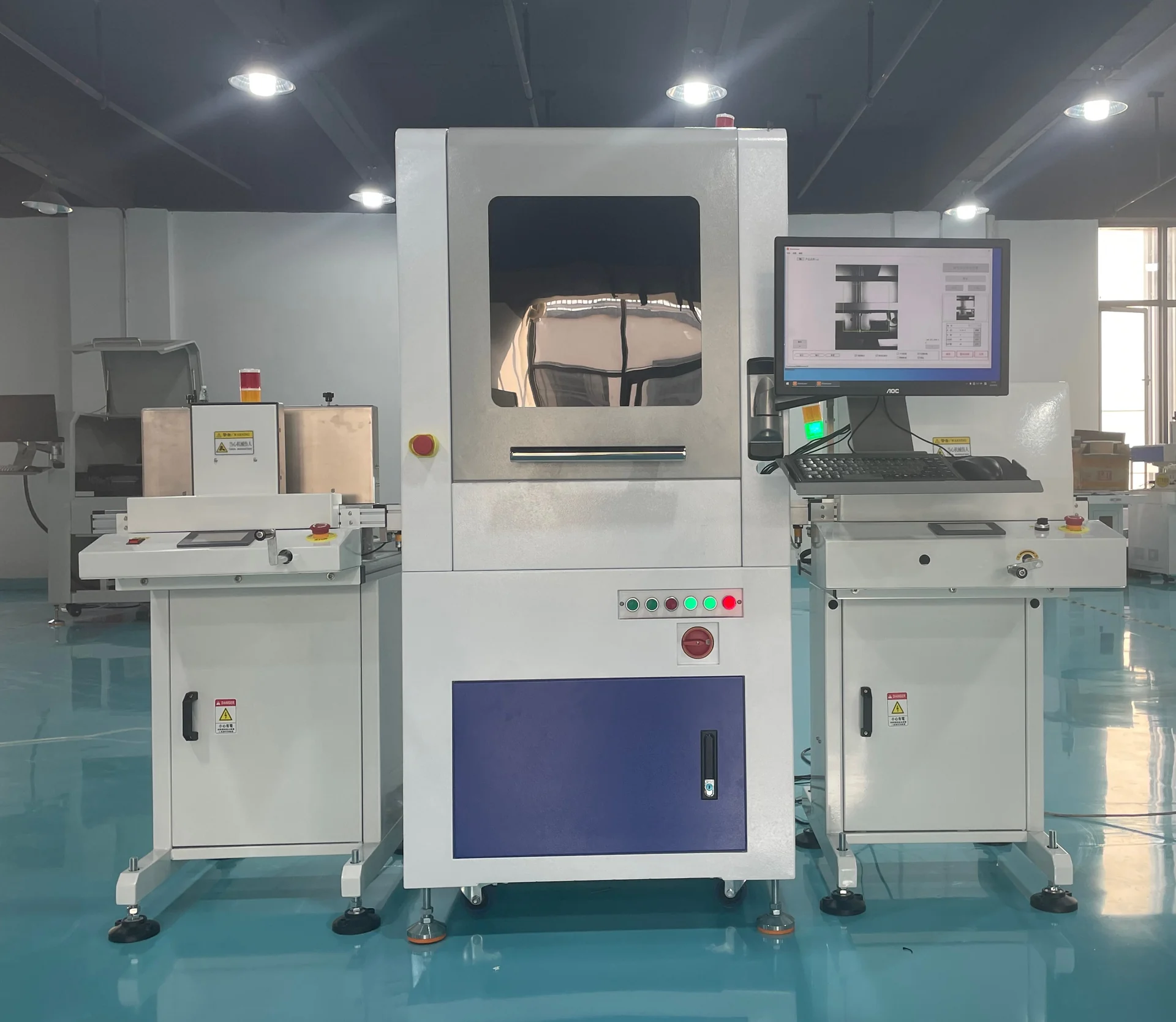
Neither chemical etching nor fiber laser engraving is universally superior for custom metal nameplates. Marking selection depends on whether your data is fixed or variable, your required line weight and depth, and your everyday operating environment.
As a baseline: evaluate chemical etching first when your artwork is fixed, requires physical recessed depth, or uses filled color enamels. Evaluate fiber laser engraving first when your markings include serialized data, barcodes, QR codes, or extremely fine alphanumeric characters. If your nameplates combine fixed logos with variable tracking codes, base your selection on physical sample checks rather than assuming one process is automatically cheaper or more durable.
- 1. Start with Your Data: Fixed Artwork vs Variable Serialization
- 2. When to Evaluate Chemical Etching First
- 3. When to Evaluate Fiber Laser Engraving First
- 4. Screen Proofs vs Physical Samples: What to Inspect
- 5. Preparing Your Marking Specifications for DFM Review
- 6. Review Your Marking Options Before Production
1. Start with Your Data: Fixed Artwork vs Variable Serialization
When reviewing drawings for custom metal plates, our manufacturing desk first checks how the graphic information behaves across your production run:
- Fixed Information: Brand logos, schematics, electrical wiring diagrams, and standard equipment warnings that stay identical across every unit.
- Variable Information: Sequential serial numbers, lot codes, production dates, 1D barcodes, and 2D Data Matrix codes that change with every single piece.
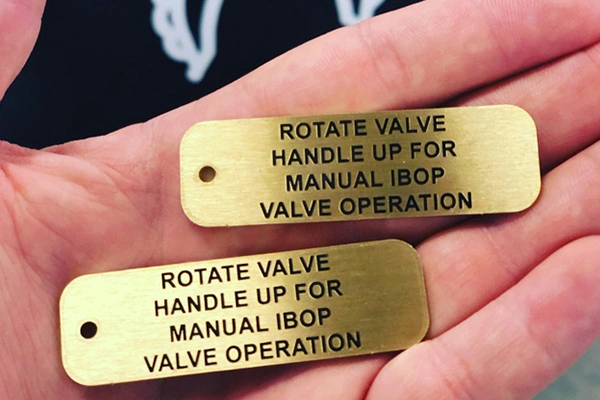
Chemical etching uses photographic tooling (film masks) and acid baths to mark metal. Because creating the photo tool carries a setup cost, etching is ideal for fixed designs produced in volume. Fiber laser engraving can use variable data without a separate photo mask for each layout. Consider it for serialization and compare samples and costs for the actual artwork and run size.
2. When to Evaluate Chemical Etching First
Chemical etching removes unprotected metal. The chemical etching process range for depth is 0.02 mm to 0.15 mm; agree the depth for the actual material, artwork and sample. Evaluate etching for these requirements:
Recessed Texture and Paint-Filled Markings
If your specification requires specific contrast colors (such as black, red, or blue enamel) against a brushed metal background, etching provides a physical pocket to hold the paint. The cured enamel sits in the recess; verify the fill and contrast after representative wiping.
Wiping and Surface Abrasion Resistance
For plates that will be wiped or abraded, agree on the cleaner or fluid, exposure duration and wiping or abrasion conditions. Compare contrast and legibility on physical samples before and after that exposure at the required viewing distance and angle. A recess alone does not guarantee readability if the paint fill degrades.
Process Line Limits
For chemical etching, minimum recommended line widths are 0.25 mm for aluminum and 0.30 mm for stainless steel (with typical process tolerances of +/-0.05 mm to +/-0.10 mm). Features narrower than these thresholds risk undercutting during the acid bath.
3. When to Evaluate Fiber Laser Engraving First
Fiber laser engraving removes material; its process depth range is 0.01 mm to 0.05 mm. Laser annealing is a separate heat-based marking route: the engraving depth range does not apply to annealed marks or establish long-term readability. Evaluate laser marking first for these project needs:
Serial Numbers, Barcodes, and QR Codes
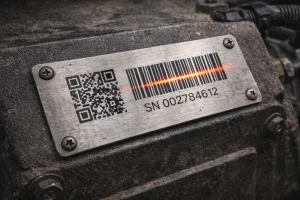
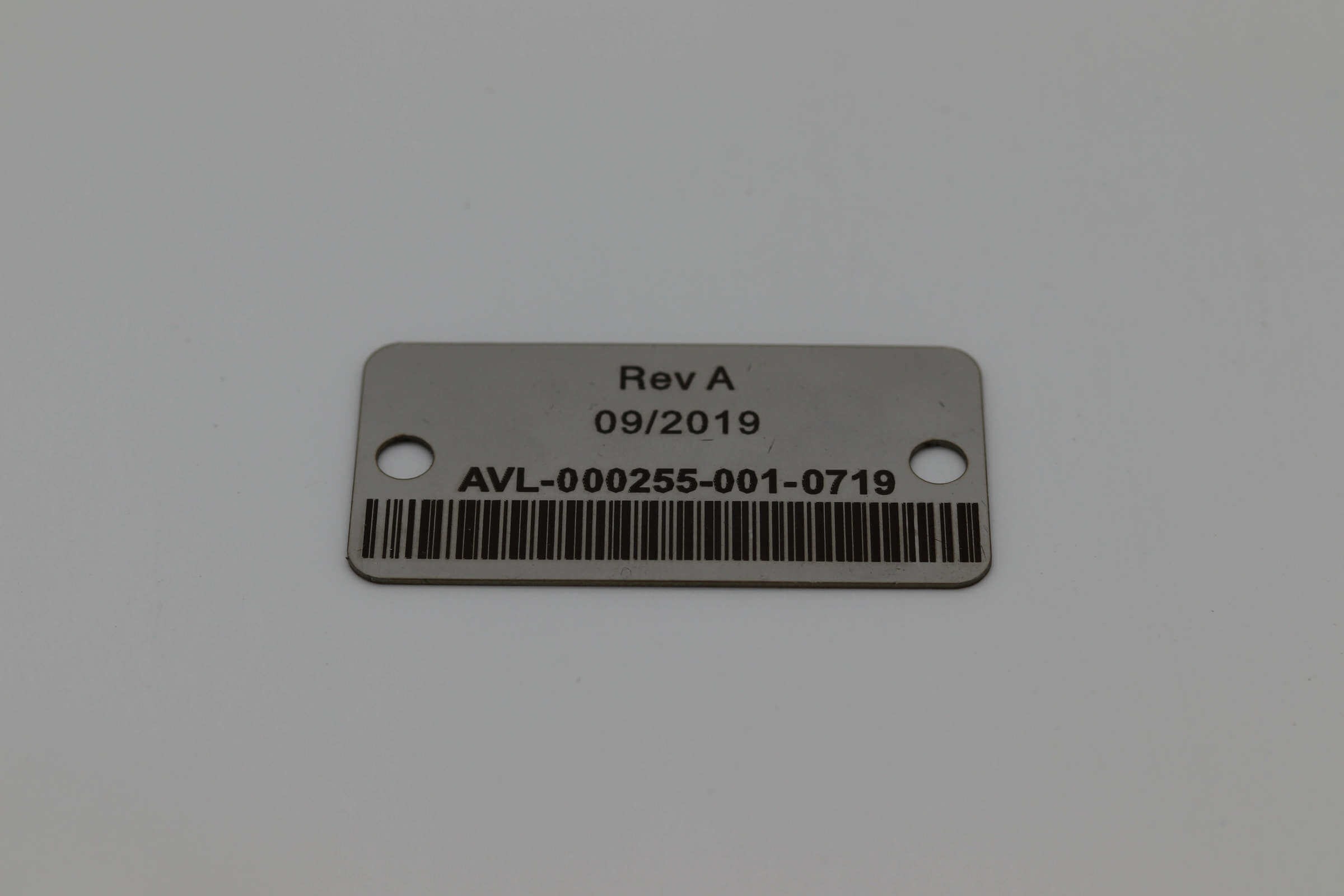
Because fiber lasers require no physical stencils or printing plates, serializing each part from an Excel or CSV file is direct and efficient. Laser engraving supports sequential digits, custom prefixes and machine-readable codes; check the output against the approved data.
High-Density Fine Text and Tight Line Weights
The minimum line width for laser engraving is 0.10 mm to 0.20 mm, depending on the job. Check edge definition and readability on a sample made with the selected material and finish before approving dense text or compact symbols.
Fast Pre-Production Sampling
Without the need to prepare chemical masking films, laser engraving allows rapid prototyping of multiple layout iterations and font sizes on sample blanks.
4. Screen Proofs vs Physical Samples: What to Inspect
A digital PDF proof viewed on a backlit monitor can look deceptively sharp. On the shop floor, use a physical pre-production sample to check the marking:
- Edge Definition on Fine Lines: Inspect characters under standard workshop lighting with a 10x loupe. Verify that stroke corners are crisp, without acid undercutting (on etched plates) or heat-haze discoloration (on laser-marked plates).
- Marking Contrast and Readability: Check readability at the machine’s intended viewing distance and angle. Confirm that surface reflections off brushed or satin metal do not overpower low-contrast text.
- Barcodes and Optical Scanners: Always scan sample 1D/2D codes using the actual handheld barcode scanner or vision camera deployed on your production line, rather than a consumer smartphone camera.
- Surface Feel and Flushness: For areas subject to washdowns, check the installed sample for debris buildup, the condition of any paint fill, and readability after the agreed exposure.
5. Preparing Your Marking Specifications for DFM Review
To determine whether chemical etching or fiber laser engraving best matches your machinery build, prepare four key project details before releasing drawings:
- Vector Artwork: Supply 2D files (AI, DXF, or PDF) with all text converted to curves/outlines.
- Data Structure: Clearly separate fixed graphical elements from variable serialization windows.
- Operating Conditions: State whether the plate will contact cutting fluids, hydraulic oil, outdoor sunlight, or periodic sanitizing washdowns.
- Annual Volume and Batch Sizes: Overall batch quantities help our engineers evaluate tooling amortization against direct machine run times.
If your nameplate requires both detailed brand graphics and dynamic serialization, share your layout with our team. We review both processes during design for manufacturability (DFM) checks to recommend the most reliable production path.
Review Your Marking Options Before Production
Compare marking samples early to confirm legibility before releasing the job. Explore custom equipment nameplates to inspect material and etching options, review our serialized and barcode metal labels for data-driven marking, or view our full manufacturing capabilities.
Ready to verify tolerances or request sample plates for your machinery? Request a project review and quote by sending your artwork and specifications to our engineering team.
Request Material Samples Request a Project Review