Adhesive vs Mechanical Mounting: Choosing the Right Attachment for Metal Nameplates
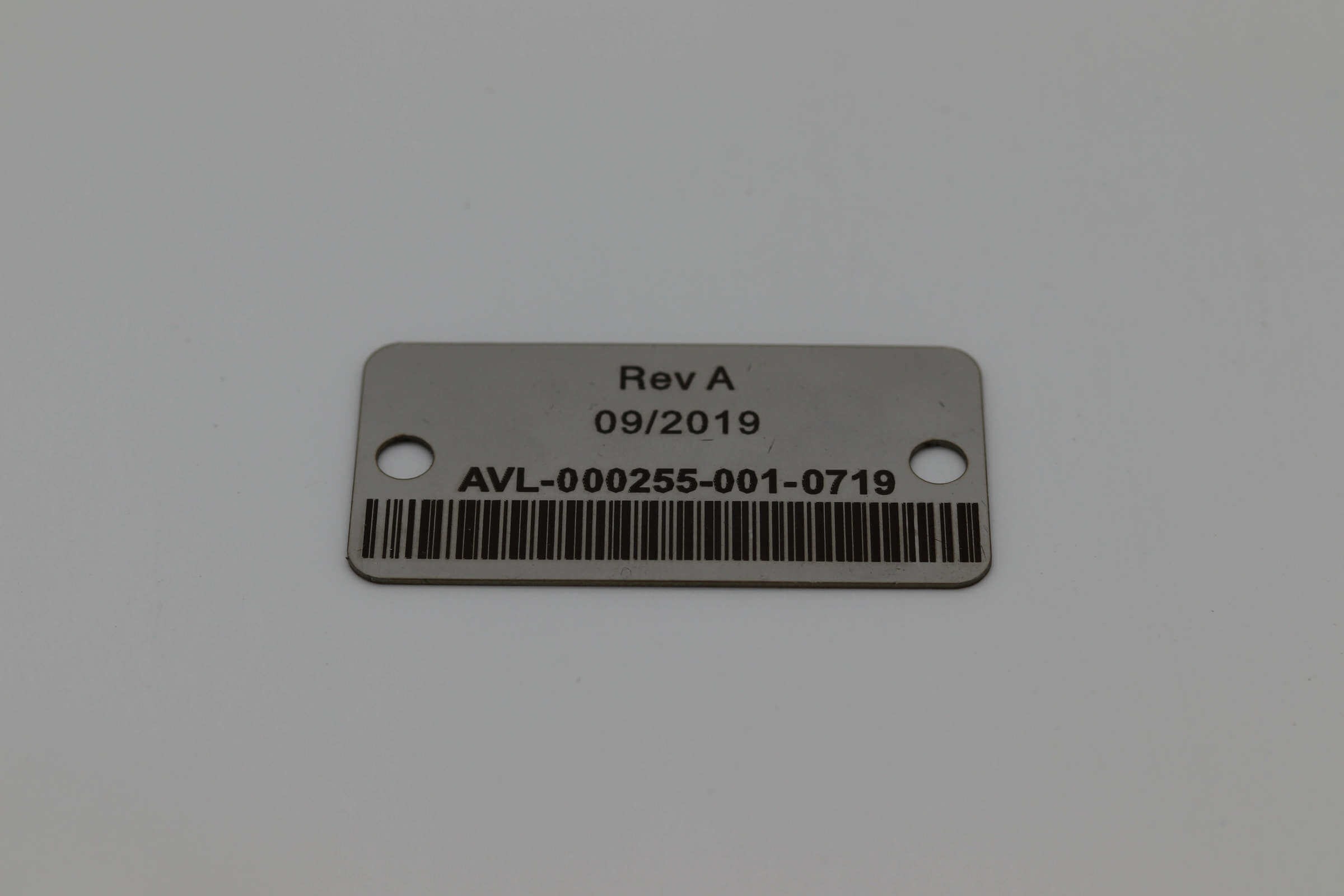
Rivet Mounted Stainless Steel Asset Tags manufactured by Himgo

Key Takeaway Substrate-First Nameplate Mounting No single mounting method—adhesive backing, screws, or rivets—is universally superior for custom metal nameplates. The right attachment method depends entirely on your equipment’s mating surface, vibration and thermal levels, and whether you must penetrate the housing. As a practical baseline: evaluate industrial adhesive backing first when mounting to smooth, clean … Read more
Etched vs Laser-Engraved Nameplates: Which Marking Method Fits Your Specs?

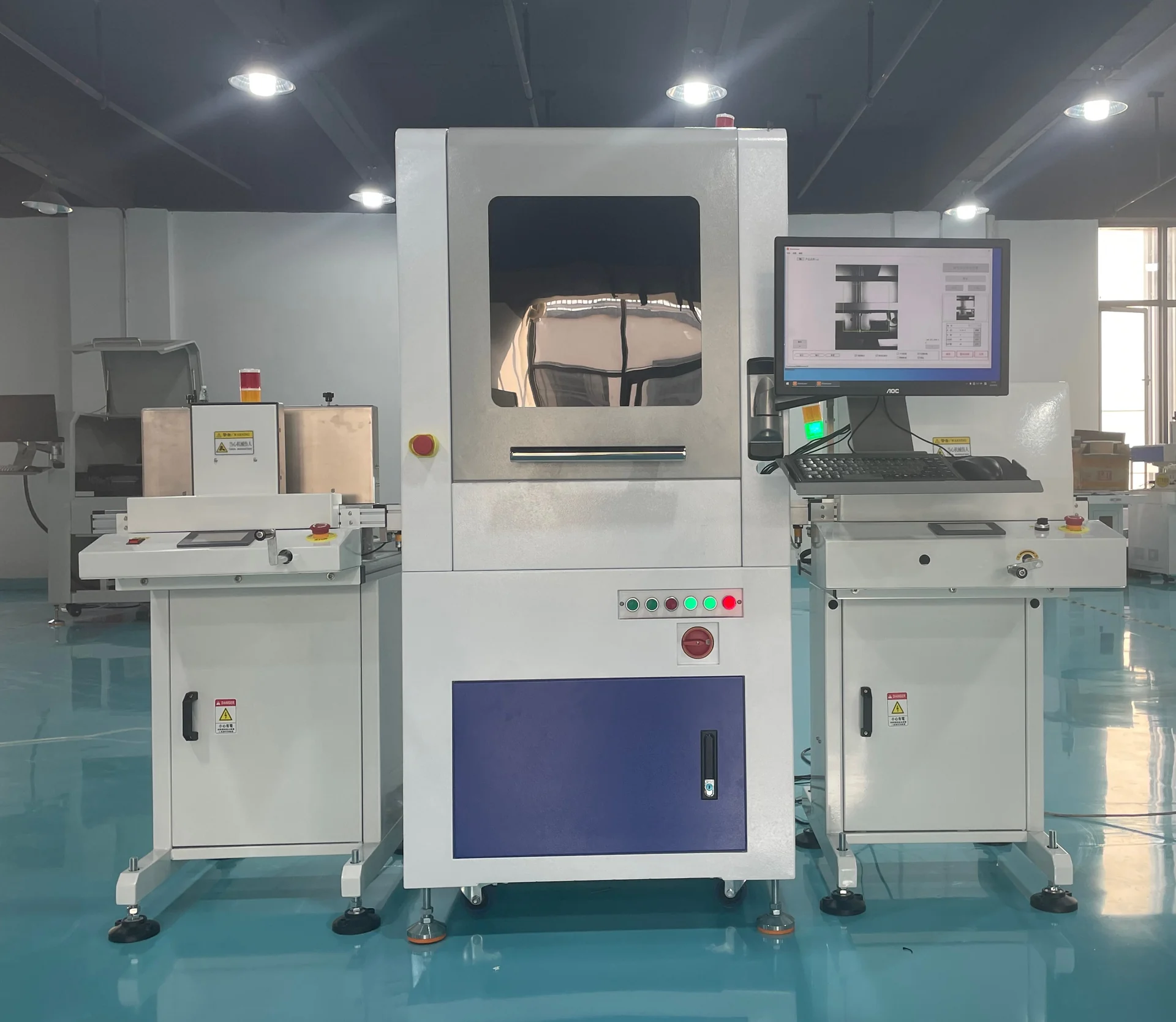
Enclosed marking machine with a monitor and operator controls

Key Takeaway Etching vs. Laser Marking: Process-First Specification Neither chemical etching nor fiber laser engraving is universally superior for custom metal nameplates. Marking selection depends on whether your data is fixed or variable, your required line weight and depth, and your everyday operating environment. As a baseline: evaluate chemical etching first when your artwork is … Read more

Aluminum vs Stainless Steel Nameplates: How to Choose for Industrial Equipment

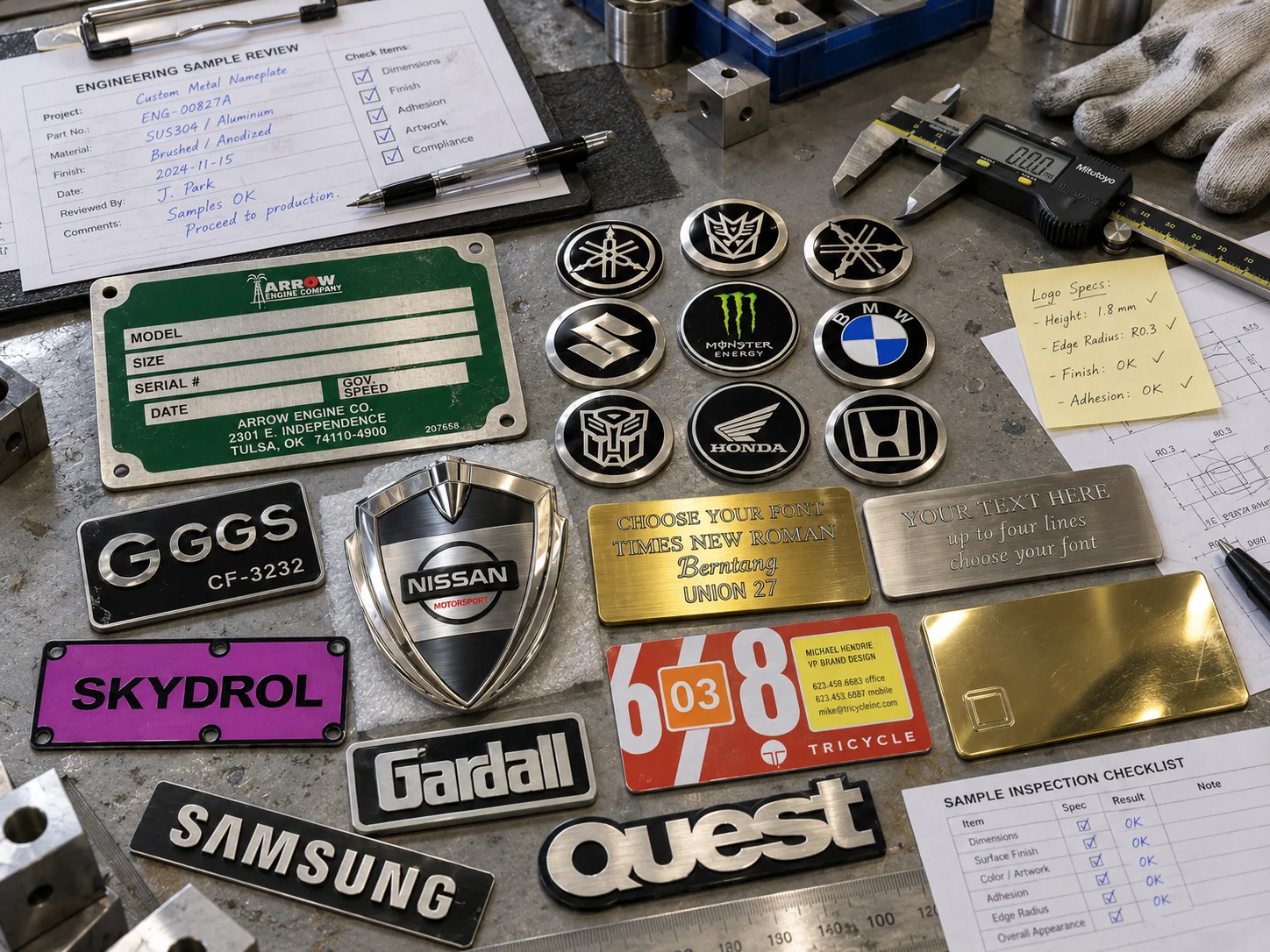
Custom metal nameplates and emblems arranged for engineering sample review

Key Takeaway Condition-First Nameplate Specification Neither aluminum nor stainless steel is universally superior for industrial equipment. Material selection depends entirely on your operating environment, physical contact conditions, and mechanical mounting. As a general baseline: evaluate aluminum first for indoor, weight-sensitive, or decorative brushed/anodized applications. Evaluate stainless steel for frequent abrasion, impact or moisture, and check … Read more

What to Check Before Approving a Metal Nameplate Sample

Custom metal nameplates and emblems arranged for engineering sample review

Key Takeaway Why Physical Sign-Off Trumps Digital Proofs Photographs and PDF proofs confirm spelling, text positioning, and graphic layout, but they cannot verify hole alignment, edge burrs, surface glare under shop lights, or adhesive wetting. Before releasing tooling or authorizing mass production, always inspect and test physical samples directly against your mating equipment chassis or … Read more